European Curriculum Schools in Bangkok
For European families arriving in Bangkok, the first question is not which school is best but which system your child should stay inside. A French family expecting to return to France needs something very different from a German-speaking family bound for Zurich, or a British family heading back to the UK — and Bangkok, unusually for Southeast Asia, has genuine answers for all three. This guide explains the city's European-curriculum landscape: the national schools that keep a child inside their home system, and the British international schools that offer Europe's most portable English-medium education.
Quick answer
Compare Bangkok's European-curriculum schools: French national curriculum, Swiss-German Matura pathway and British international schools, with THB fees.
At a glance
- City: Bangkok
- Sections: 7
- Questions answered: 8
- Schools listed: 8
- Read time: 9 min read
Start with the system, not the school
European education is not one thing. The French, German, Swiss and British systems have different structures, different leaving qualifications and different philosophies — and a child educated in one does not automatically slot into another. So before comparing campuses, decide which system your child should be in. That decision is usually driven by your family's likely future: the country you will probably return to, the language you want your child educated in, and the universities you have in mind.
Bangkok's European provision falls into two camps. The national schools — the French lycée and the Swiss-German school — exist to keep children inside their home system, teaching the home curriculum in the home language. The British international schools teach the English National Curriculum in English to a mixed international student body. Both are excellent answers; they are answers to different questions.
The French pathway: Lycée Français International de Bangkok
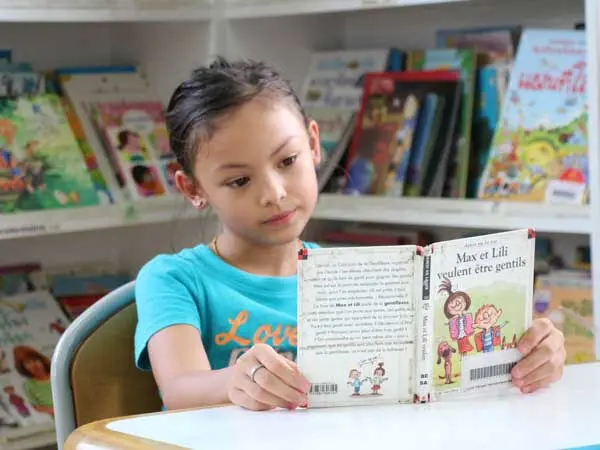
The Lycée Français International de Bangkok follows the French national curriculum in full, from Petite Section — the first year of maternelle — through to Terminale and the French baccalauréat. For French families, the value is continuity: the curriculum is the same one a child would follow in Lyon or Toulouse, and the school belongs to the AEFE network, which means a child can transfer to another French school almost anywhere in the world without changing programme. Listed fees of THB 297,750–527,700 are notably moderate by Bangkok international-school standards.
The school also suits non-French families who want a genuinely French education — but be realistic about language. Entry in the maternelle and early primary years is open to children without French; entry higher up the school generally requires the language, because instruction is in French. Ask the school directly about its language expectations and support for your child's specific entry point.
The German-speaking pathway: RIS Swiss Section
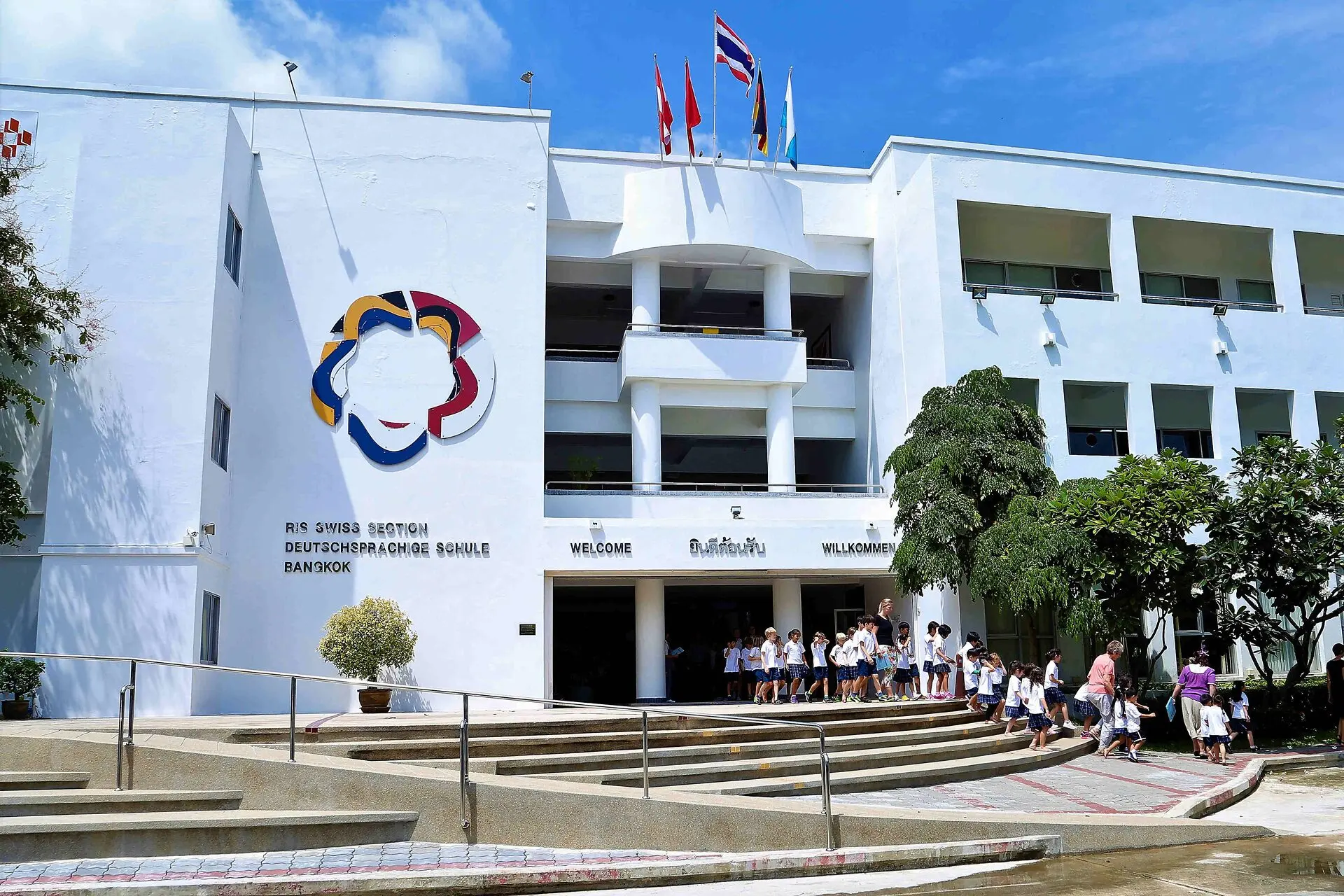
RIS Swiss Section — the Deutschsprachige Schule Bangkok — runs Swiss and German curricula from nursery through secondary graduation, leading to the bilingual Swiss Matura. It serves Bangkok's German-speaking community: Swiss, German and Austrian families who want their children educated in German within a recognised national framework. Listed fees are THB 400,000–760,000.
The Swiss Matura is a quietly powerful qualification: it gives direct access to Swiss universities — including ETH Zurich and the federal institutes — and is well understood across Germany, Austria and the wider European higher-education area. For a German-speaking family expecting to return home, it keeps every option open. As with the lycée, language is the gate: ask the school about entry requirements and support for children whose German is still developing.
Not sure which schools fit your family?
Choosing an international school depends on your child's age, curriculum preference, location and budget. Tell us what you're looking for and we'll help you identify schools worth considering.
The British international schools: Europe's other pathway
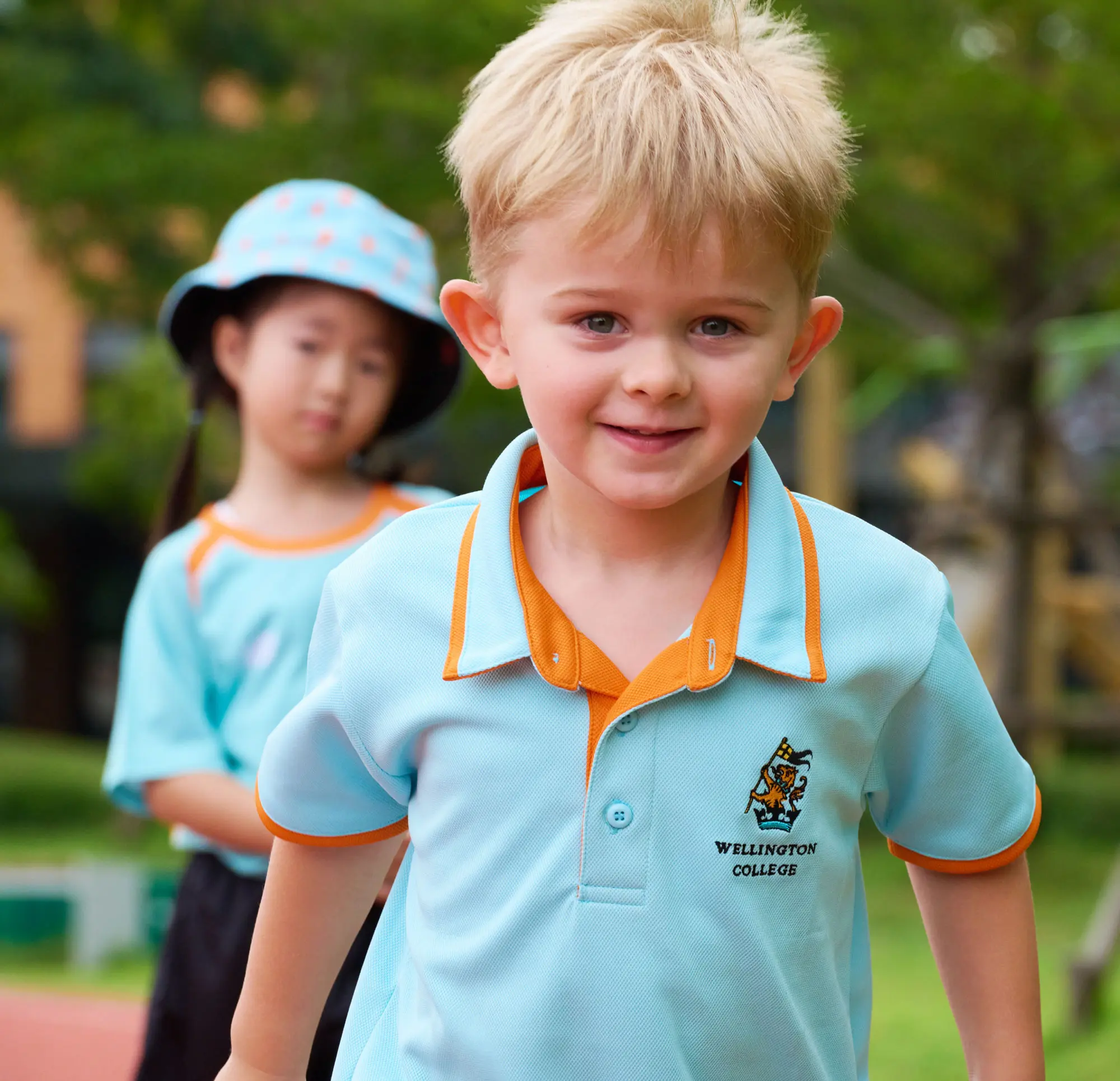
For British families — and for the many European families who want their children educated in English — Bangkok's British-curriculum schools are the largest European-curriculum group in the city. Brighton College Bangkok and Wellington College International Bangkok bring two of England's best-known school names to the city, both running the English National Curriculum through IGCSE to A-Levels, at THB 609,200–1,050,500 and THB 639,250–1,283,500 respectively. Denla British School follows the same pathway at THB 530,700–1,009,200.
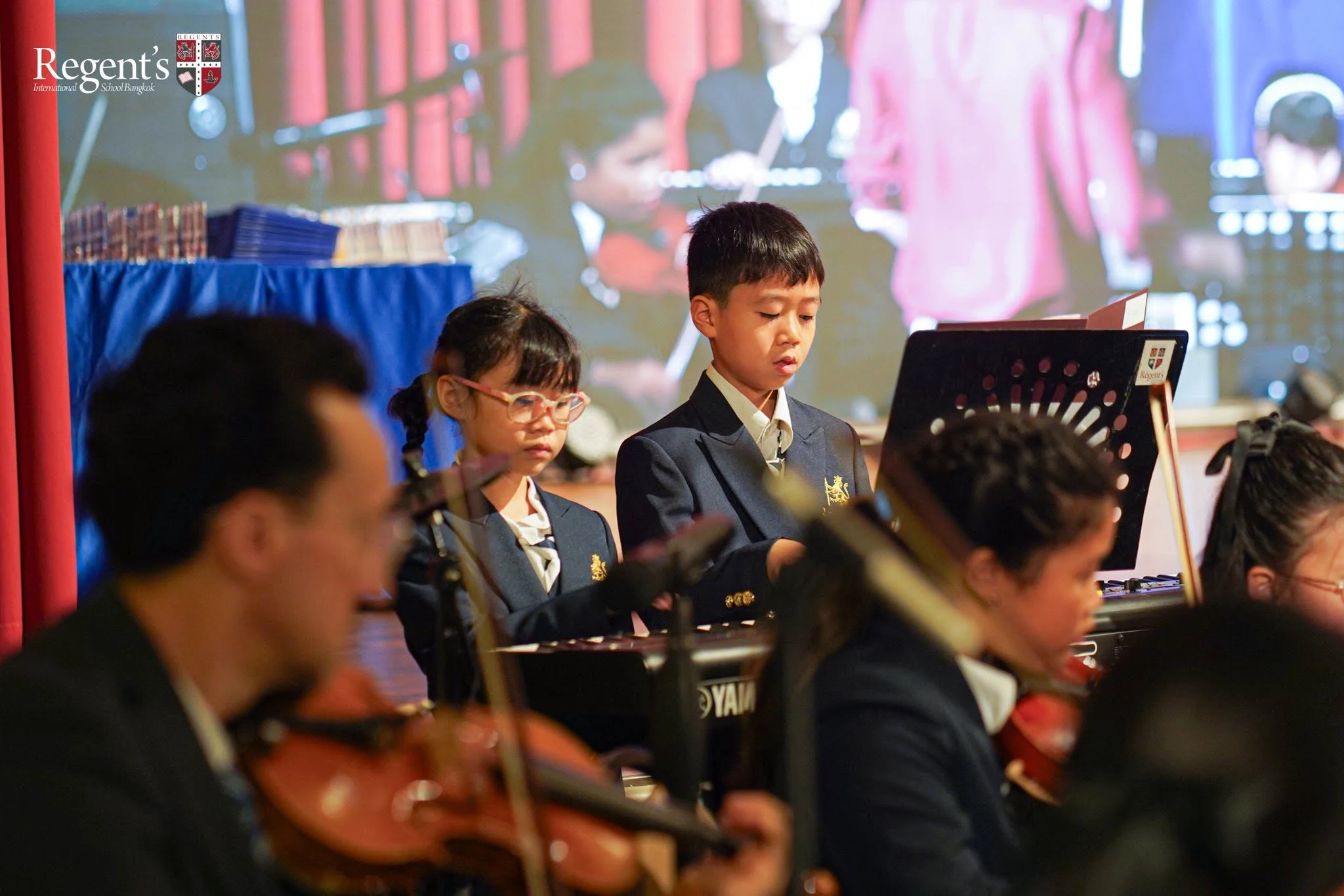
Below the premium names, Regent International School Bangkok offers the English National Curriculum at THB 445,500–780,000, Modern International School Bangkok runs a British and Cambridge pathway at THB 234,300–306,600 — one of the most affordable British educations in the city — and Kensington International School covers the early years and primary ages 1–11 at THB 320,000–650,000 for families who want a British start before a later move. IGCSEs and A-Levels are understood by universities across Europe and worldwide, which is why these schools attract families from every European system.
Comparing the systems honestly
The national schools and the British schools are not ranked versions of each other — they are built for different families. The lycée and the Swiss Section offer something the British schools cannot: education in the home language, inside the home system, with a guaranteed re-entry point. For a family certain of returning to France or the German-speaking world, that is worth more than any facility.
The British schools offer something the national schools cannot: English-medium education with a genuinely international peer group, and qualifications that travel well even when the family's plans are uncertain. For the many European families whose next posting could be anywhere — and for children whose strongest academic language is English — that flexibility is the point. The worst outcome is choosing by prestige in either direction and discovering the system does not fit your child's future.
Language: the question underneath everything
Every European-curriculum decision in Bangkok is ultimately a language decision. Ask yourself which language you want your child to be able to study, write and think in at 18 — then check that the school's actual language of instruction matches. A child educated in German to Matura level has something no English-medium school can replicate later; equally, a child whose academic language becomes English has options across the entire Anglophone world.
Ask each school the practical questions too: which languages are taught as subjects, what support exists for a child arriving without the school's main language, and — for the national schools — what proportion of the teaching week is genuinely in the national language at your child's year level.
Planning for the next move
European families in Bangkok are rarely there forever, so choose with the exit in mind. If France is home, the AEFE network makes the lycée the low-friction choice. If Switzerland or Germany is home, the Matura pathway does the same. If the future is open — a possibility of the UK, the US, or another international posting — the British schools and the IB Diploma keep the widest set of doors open.
Whatever you choose, keep records: transcripts, course descriptions and, for the national systems, the official year-end documentation. Receiving schools place children on evidence, and a well-documented school history makes every future move easier.
Frequently Asked Questions
Is there a French school in Bangkok?
Yes. The Lycée Français International de Bangkok follows the French national curriculum from Petite Section (the first year of French maternelle) through to Terminale and the French baccalauréat. Listed annual fees are THB 297,750–527,700. It is the natural choice for French families and for anyone wanting a child educated within the French system.
Is there a German or Swiss school in Bangkok?
Yes. RIS Swiss Section — the Deutschsprachige Schule Bangkok — runs Swiss and German curricula from nursery through to the bilingual Swiss Matura. Listed fees are THB 400,000–760,000. It serves German-speaking families from Switzerland, Germany and Austria, and leads naturally to universities in all three countries.
Can my child join the French or German school without speaking the language?
It depends on age. National-curriculum schools are designed for children already educated in the language, so entry into older year groups usually requires solid French or German. Younger children can often join and be brought up to speed. Ask each school honestly about its language expectations and support for your child's specific entry point.
How much do European-curriculum schools in Bangkok cost?
The Lycée Français lists THB 297,750–527,700 and RIS Swiss Section THB 400,000–760,000. Among the British schools, Modern International School Bangkok lists THB 234,300–306,600, Regent THB 445,500–780,000, and the premium British names run from around THB 530,700 at Denla to THB 1,283,500 at the top of Wellington's range.
Will the French baccalauréat or Swiss Matura be recognised if we move again?
Yes — both are national qualifications with strong international recognition. The French bac is understood by universities across Europe, North America and beyond, and the AEFE network means a child can move between French schools worldwide without changing curriculum. The Swiss Matura gives direct access to Swiss universities and is well regarded across Europe.
What is the difference between a European national school and a British international school?
A national school — French, German/Swiss — teaches that country's curriculum in that country's language, primarily for its own community abroad. A British international school teaches the English National Curriculum in English to a genuinely international student body. Both are “European”, but they serve different families and lead to different qualifications.
Are there Spanish, Italian or other European national schools in Bangkok?
Bangkok's confirmed national-curriculum provision is French and Swiss/German. Families from other European systems typically choose between the British international schools, the IB continuum schools, or a bilingual model — and plan university entry around the qualification rather than a national curriculum.
How do transfers between a national school and an international school work?
They happen regularly in both directions, but plan the timing. Moving from a French or German school into an English-medium school is easiest at natural break points and depends on the child's English. Moving the other way requires the national language. Ask both schools about placement assessment for your child's specific year group before committing.
International schools in French national curriculum
International schools in Swiss and German curricula
International schools in British international schools
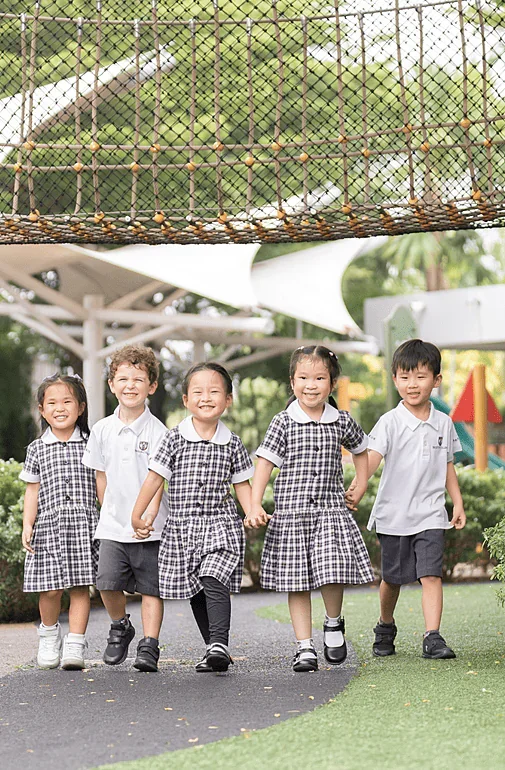
- Brighton College Bangkok
- Wellington College International Bangkok
- Denla British School
- Regent International School Bangkok
- Modern International School Bangkok
- Kensington International School
Looking for a Bangkok school that fits your curriculum plans?
Tell us your child's age, language background and the system you expect to move on to, and we'll help you compare the realistic options.
Related guides
- International Schools in Bangkok: A Parent's Guide
- Bangkok International School Fees 2026: What It Really Costs
- How to Apply to an International School in Bangkok
- IB Schools in Bangkok: How to Choose the Right One
- British Schools in Bangkok: Curriculum, Fees and How to Choose
- Best Areas of Bangkok for Expat Families: Schools, Commutes and Housing
- American Schools in Bangkok: Curriculum, Fees and How to Choose
- Best International Schools in Bangkok: A Parent's Guide to Choosing Well
- Nurseries and Early Years in Bangkok: A Parent's Guide
- Primary International Schools in Bangkok: A Parent's Guide