Best International Schools in Bangkok
Choosing an international school in Bangkok can feel overwhelming. From established British schools and American-style education to IB programmes and specialist early-years settings, the city offers a remarkable range of options. The challenge is finding a school that fits your child's age, personality, ambitions and your family's plans. This guide will not tell you which school is “number one” — no honest guide can — but it will show you how the leading schools differ, and how to judge which one is right for you.

Quick answer
Bangkok's leading international schools compared by curriculum, ages, THB fees and environment — how to find the right fit for your child.
At a glance
- City: Bangkok
- Sections: 8
- Questions answered: 8
- Schools listed: 9
- Read time: 10 min read
Why “best” is the wrong question — and what to ask instead
Every Bangkok school website will tell you the school is excellent, and most of them are telling the truth — for some child. The question that actually matters is narrower: best for whom, at what age, in which curriculum, at what price, and from which part of the city? A sporty teenager aiming for a US university and a shy five-year-old starting school for the first time need completely different places, and Bangkok has both.
So instead of a league table, this guide groups the city's leading schools by what they genuinely offer. Use it to build a shortlist of three or four schools whose profile matches your child, then visit them. The right school is almost always the one where your child will be known, challenged and happy — and you can only feel that in person.
The established British names
Bangkok's British-curriculum schools are its largest and most established group. Harrow International School Bangkok, set around a lake on the northern edge of the city, runs the English National Curriculum from the Early Years Foundation Stage through IGCSE to A-Levels, taking children from age 1 to 18. Bangkok Patana School, the city's oldest British-style school, follows the same lower-school pathway but finishes with the IB Diploma rather than A-Levels — a distinction that matters if your child is a specialist rather than an all-rounder. Shrewsbury International School occupies a striking riverside campus on the Chao Phraya and pairs its British lower school with an IB pathway in the upper years.
These schools share strengths: deep extracurricular programmes, strong pastoral systems and long track records of university placement. They differ in feel, in the A-Level-versus-IB fork at 16, and in where they sit on the map — which, in Bangkok, is a daily quality-of-life decision.
The IB and American flagships
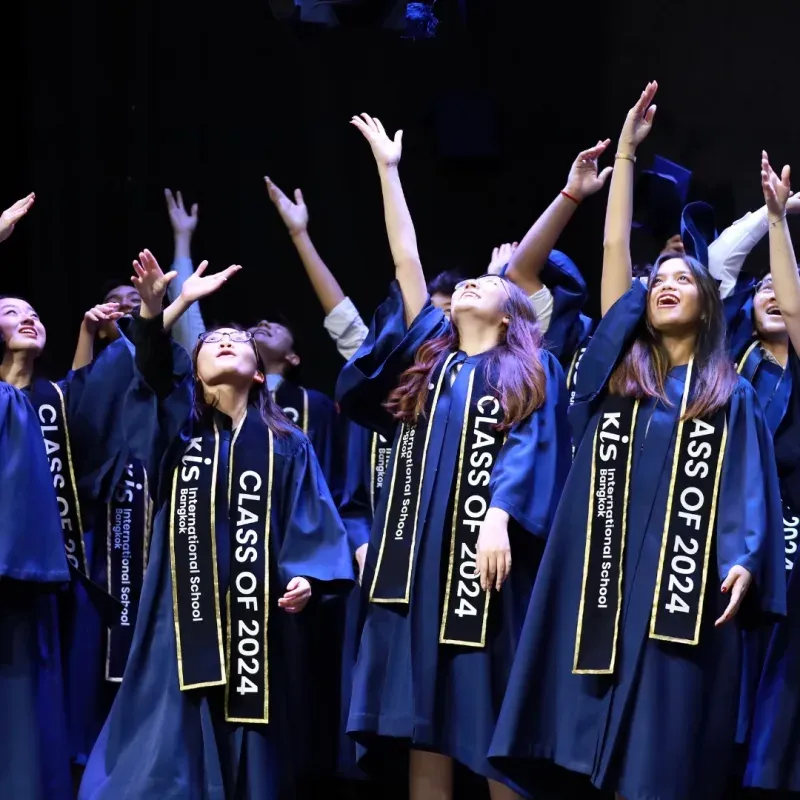
NIST International School is Bangkok's most prominent full-continuum IB school, running the Primary Years, Middle Years and Diploma programmes on a central campus near the Sukhumvit corridor — a genuine advantage for families living in the city centre. KIS International School offers the same IB continuum at a noticeably lower fee level, listing THB 440,100–984,700 against NIST's THB 628,200–1,094,500.
On the American side, International School Bangkok is the city's flagship: a large, well-resourced campus in Nichada Thani offering a US curriculum with selected AP courses and the IB Diploma as an alternative final pathway. For families expecting to return to the American system, or aiming at US universities, it is the natural first visit.
Smaller schools and specialist settings worth knowing
Bangkok's best-known names are not its only good schools. Kensington International School does one thing — British early years and primary for ages 1–11 — and does it in a deliberately small, nurturing environment that suits young children starting their schooling. Modern International School Bangkok offers a British and Cambridge pathway at THB 234,300–306,600, proof that a genuine international education in Bangkok does not have to cost premium fees. Amnuay Silpa School runs a Thai–UK bilingual curriculum through to IGCSE and A-Level, an interesting model for families planning a longer stay who want their children to keep Thai language and culture alongside a British qualification.
The trade-off at smaller schools is usually breadth in the upper years — fewer subject choices, smaller teams — and sometimes a planned move at 11 or 13. Weigh that against the smaller classes and closer attention of the early years.
Not sure which schools fit your family?
Choosing an international school depends on your child's age, curriculum preference, location and budget. Tell us what you're looking for and we'll help you identify schools worth considering.
What the fee levels actually buy
Bangkok's fee spread is real but often misread. The premium tier — roughly THB 550,000 to THB 1,200,000 — funds large campuses, extensive sports and arts facilities, wide sixth-form subject lists and deep counselling teams. The mid tier, around THB 300,000–650,000, typically offers the same curricula in smaller settings with less spectacular facilities. Budget schools below THB 300,000 deliver accredited international programmes with fewer frills.
What does not vary reliably with price is the quality of attention your individual child receives. Ask every school, whatever its fee level, about class sizes in your child's year group, staff turnover, and how learning support and English-language support are staffed. Those answers predict your child's daily experience far better than the swimming pool count.
Matching the school to your child's stage
For under-fives, prioritise warmth, outdoor space and a gentle settling-in approach — this is where primary-only settings like Kensington shine. For primary-age children, look at literacy and numeracy teaching, how the school handles different ability levels, and whether the curriculum will transfer if you move again. For secondary students, the questions sharpen: which examination pathway does the school run at 16, which subjects are actually timetabled, and what do university destinations look like?
And if your child has additional needs — language support, learning support, or gifts that need stretching — raise them at the first enquiry, not after the offer. Bangkok's better schools are honest about what they can provide, and early disclosure protects your child.

The practicalities that decide daily life
Two families can choose the same school and have completely different experiences, and the difference is usually the commute. Bangkok's traffic is worst precisely at school-run times, so test the journey from your intended home at 7am on a weekday, or confirm that your address sits on the school's bus network with a tolerable pick-up time. A slightly less “perfect” school twenty minutes closer will make your child happier than an extra facility they use twice a term.
Timing matters too. Popular year groups at the established schools fill well before the August intake, so begin enquiries six to nine months ahead where you can. If you are arriving mid-year, ask each school directly about current availability in your child's year — Bangkok's expat turnover means places do open up, but not predictably.
From shortlist to decision
Narrow to three or four schools using the hard constraints — curriculum, age range, budget, location — then visit each on a normal school day. Ask the same questions everywhere: class size in your child's year, how the school supports a new arrival mid-year, what happens when a child struggles, and the full first-year cost including every compulsory charge.
Afterwards, involve your child in the decision in proportion to their age. Teenagers in particular commit to schools they have chosen. And remember that Bangkok's depth of provision is your safety net: if a school turns out to be the wrong fit, the city gives you realistic alternatives without moving house or country.
Frequently Asked Questions
Which are the best international schools in Bangkok?
There is no honest single answer, because “best” depends on your child's age, curriculum, personality and your family's plans. Bangkok's most established names — Harrow, Bangkok Patana, International School Bangkok, NIST, Shrewsbury — are all excellent for the right child, but the best school for your family is the one whose programme, community and location fit your situation.
Does the most expensive school mean the best education?
No. Higher fees in Bangkok buy larger campuses, wider subject lists and more facilities — not automatically better teaching for your child's particular year group. A mid-fee school with a short commute and attentive staff can be the better choice for many children.
Which curriculum should I choose in Bangkok?
Start from your child's likely path: British schools lead to IGCSE and then A-Levels or the IB Diploma; American schools to a High School Diploma with AP; IB schools run a single continuum. If you expect to move countries again, the IB and American systems transfer most cleanly. Bangkok has strong options in all three, so choose on fit rather than availability.
How much should I budget for a good Bangkok school?
The established premium schools list roughly THB 550,000–1,200,000 a year depending on year group. Strong mid-range options sit between THB 300,000 and THB 650,000, and respectable budget schools start around THB 160,000. Add 10–20% for registration, transport, uniform, meals and activities.
Are all Bangkok international schools all-through schools?
No. Some, like Kensington International School, cover only the younger years (ages 1–11), which suits families who want a small, nurturing start before moving to a larger school. Check each school's age range and plan the next transition early if it ends at 11 or 13.
How important is location when choosing a Bangkok school?
Critical. Bangkok traffic makes a 10-kilometre journey unpredictable, and your child will make that trip twice a day for years. Most families end up choosing the area around the school rather than the other way round — check the school bus network before signing a lease.
What should I look for on a school visit?
Visit on a normal teaching day, not an open day. Watch how teachers speak to children, ask about class sizes in your child's actual year group, meet the head of the phase your child would join, and ask current parents what the school does when a child struggles. The answers reveal more than any facility tour.
When should I apply to Bangkok's top schools?
Popular year groups at the established schools fill well ahead of the August intake, so start enquiries six to nine months before you need a place. Mid-year entry is often possible because of expat turnover, but you will be choosing from schools with space rather than your original shortlist.
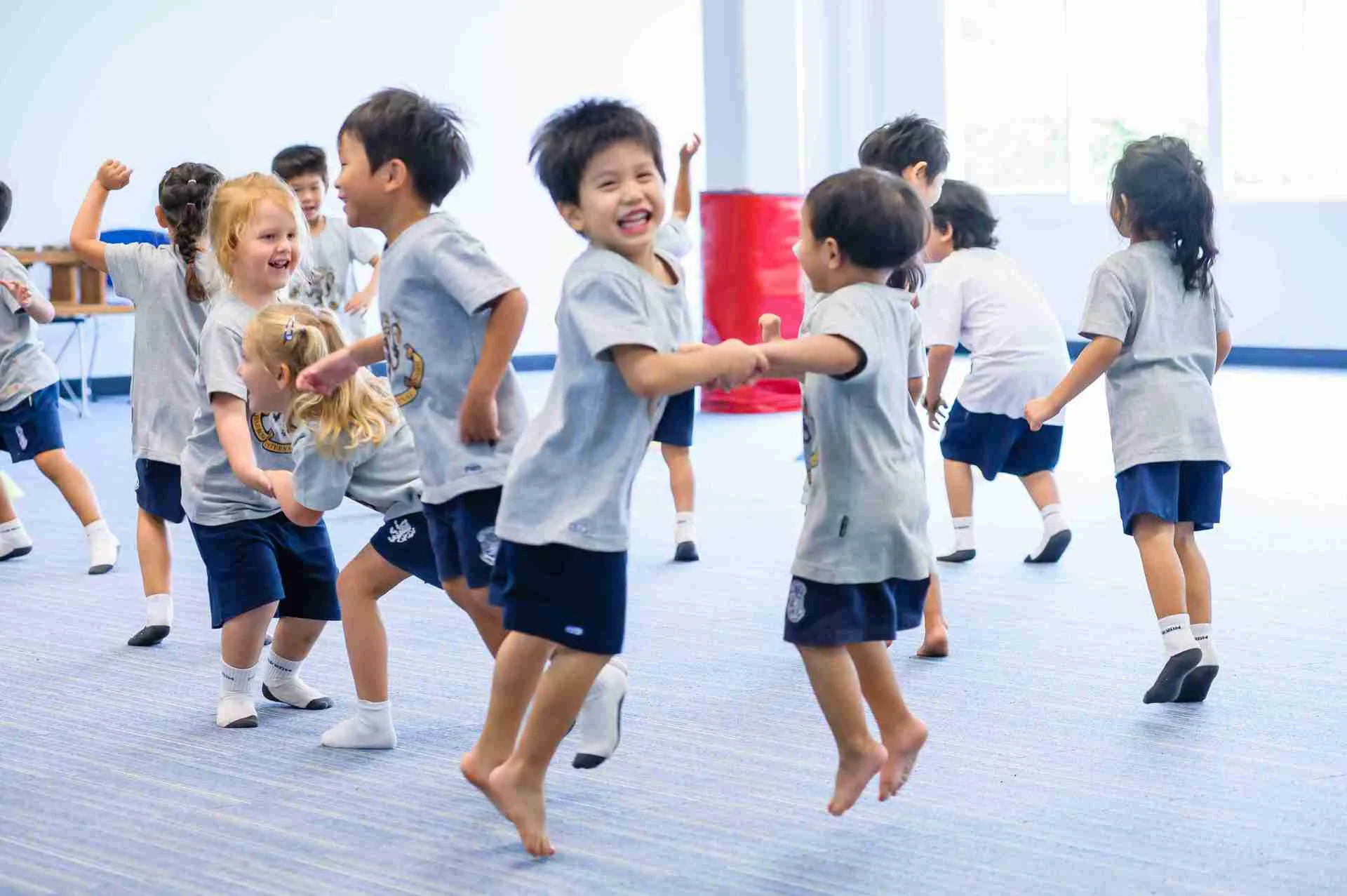
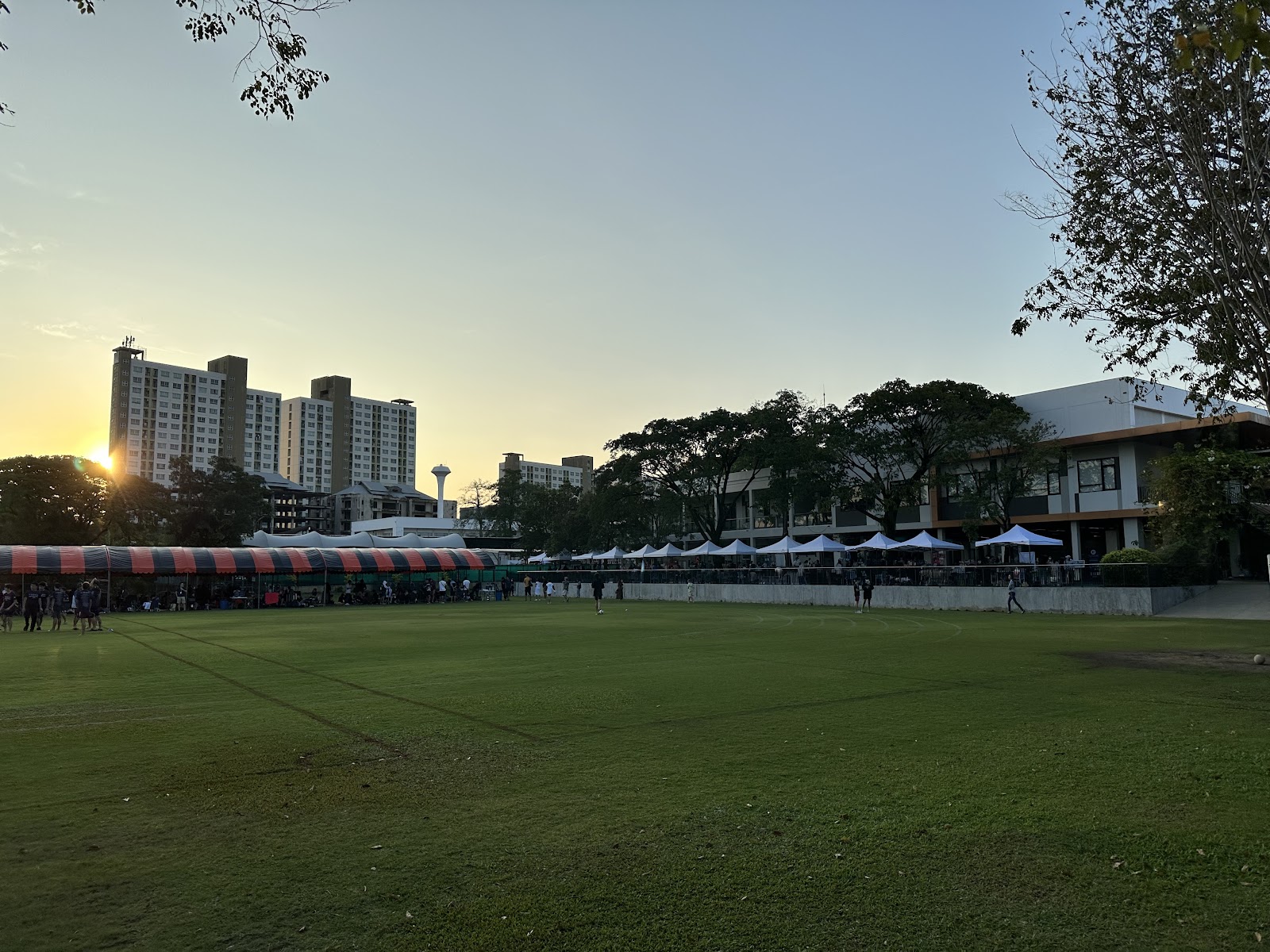
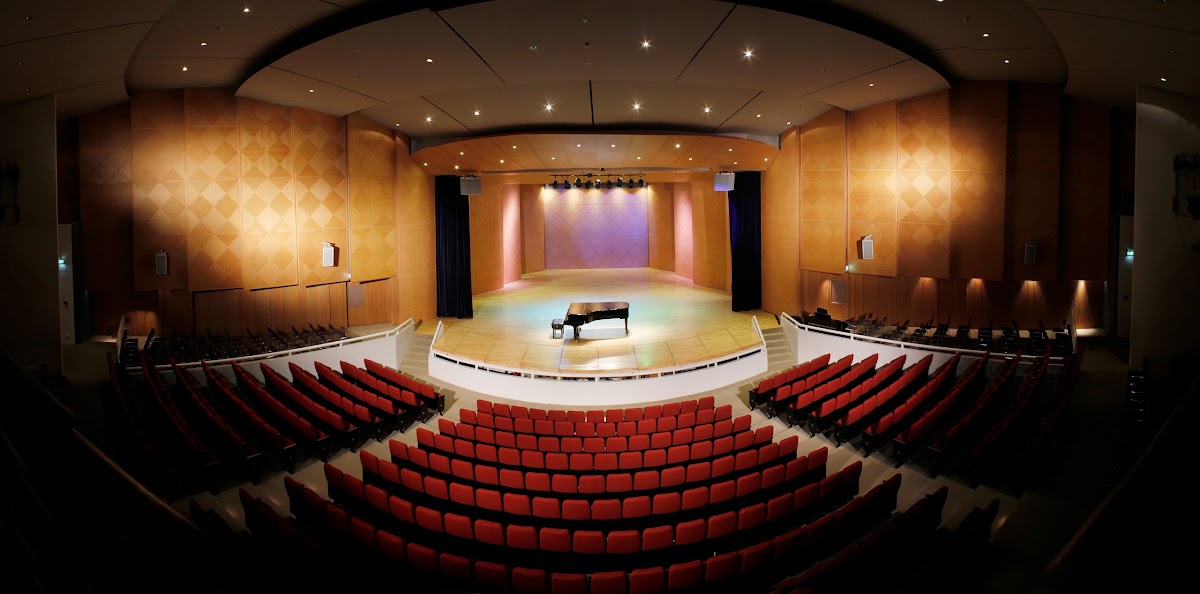
International schools in Established British curriculum schools
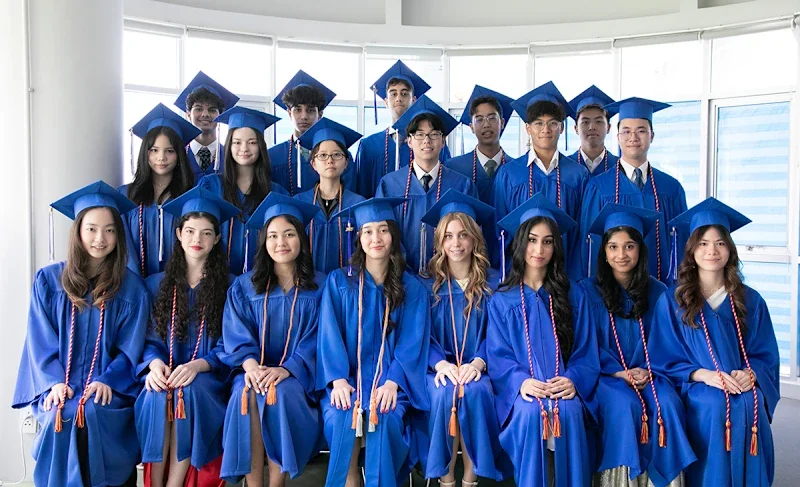
International schools in IB and American pathways
International schools in Smaller and specialist settings
Build a Bangkok shortlist around your child
Tell us your child's age, curriculum preference and budget, and we'll help you identify the schools worth visiting.
Related guides
- International Schools in Bangkok: A Parent's Guide
- Bangkok International School Fees 2026: What It Really Costs
- How to Apply to an International School in Bangkok
- IB Schools in Bangkok: How to Choose the Right One
- British Schools in Bangkok: Curriculum, Fees and How to Choose
- Best Areas of Bangkok for Expat Families: Schools, Commutes and Housing
- American Schools in Bangkok: Curriculum, Fees and How to Choose
- European Curriculum Schools in Bangkok: French, German/Swiss and British Pathways
- Nurseries and Early Years in Bangkok: A Parent's Guide
- Primary International Schools in Bangkok: A Parent's Guide