International Schools in Saudi Arabia: A Parent's Guide
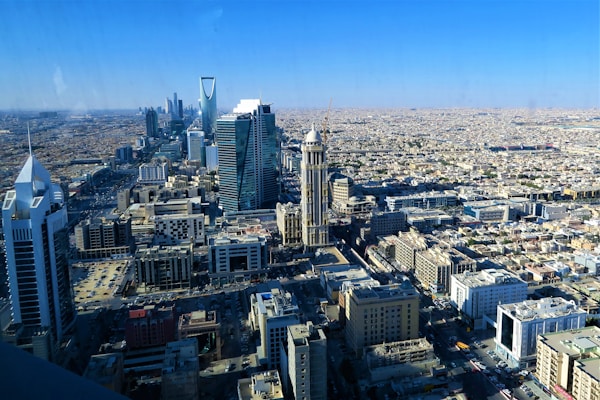
Saudi Arabia's international school sector has grown quickly alongside the country's opening to more foreign residents, with British, American, IB, Indian/CBSE, French and German curricula all represented in Riyadh and Jeddah. Here's how to make sense of the choice, how the two cities differ neighbourhood by neighbourhood, and how to start building a shortlist for your family.
Quick answer
A practical guide to international schools in Saudi Arabia: curricula on offer in Riyadh and Jeddah, compound versus city schools, and how to shortlist.
At a glance
- Country: Saudi Arabia
- Sections: 11
- Questions answered: 10
- Schools listed: 8
- Read time: 14 min read
Why Saudi Arabia's international school sector has grown so fast
Saudi Arabia's international school landscape has expanded considerably over the past decade, driven by a growing expatriate workforce in sectors such as energy, healthcare, finance, technology and giga-projects, alongside a broader government push to open the country to more foreign residents and visitors. Riyadh and Jeddah, the two largest cities and the main hubs for international families, now host a genuinely wide range of schools spanning British, American, International Baccalaureate, Indian/CBSE, French and German curricula.
This growth has been real but uneven: some schools have long histories serving specific expatriate communities, while others are newer additions responding to fresh demand. Because the sector has changed quickly, it is worth treating any list of schools, including this one, as a starting point for your own research rather than a final word, and verifying details such as current curriculum offering, year groups taught and admissions status directly with each school.
The main curricula on offer
Curriculum families to know
- British: English National Curriculum framework, typically toward IGCSEs
- American: US-style structure toward a high school diploma, sometimes with IB or AP
- IB: offered as a full continuum at some schools, Diploma-only at others
- Indian/CBSE: well established, particularly in both Riyadh and Jeddah
- French and German: smaller sector, generally tied to national curricula
British curriculum schools are widely available in both Riyadh and Jeddah, generally following an English National Curriculum framework through to IGCSEs and, at some schools, A-levels, though exact implementation varies by school and should be confirmed directly. American curriculum schools are also well represented, typically working toward a US-style high school diploma, with some also offering the IB Diploma or Advanced Placement courses at senior level. The International Baccalaureate appears both as a full continuum at some schools and as a Diploma-only option layered onto another curriculum lower down at others.
Indian curriculum schools, most commonly following CBSE, serve Saudi Arabia's large Indian expatriate community and are well established in both major cities. A smaller number of French and German curriculum schools, generally linked to those countries' national systems and often serving diplomatic and corporate communities from those countries, are also present. As always, the right curriculum for your child depends on continuity with prior schooling and your family's likely future destinations, not simply on which schools are geographically closest.
How the market is organised across Riyadh and Jeddah
Riyadh, as the capital and largest city, has the broadest range of international schools and the widest spread of curricula, reflecting its large and diverse expatriate population across government, corporate and technology sectors. Schools are spread across neighbourhoods including Al Malqa, Hittin, Al Nakheel, Al Yasmin and the Diplomatic Quarter, among others, each with a different mix of curricula and campus types. Jeddah's international school sector is also substantial, with a strong historic presence of British and American curriculum schools alongside French, German and Indian/CBSE options, reflecting the city's long-standing role as a commercial and diplomatic hub on the Red Sea coast, with notable clusters of schools around areas such as Al Hamra, Ash Shati, Obhur and Al Rawdah.
Within both cities, schools are spread across different neighbourhoods and, in some cases, are located within or close to residential compounds that historically served expatriate communities, while others sit as standalone city schools open more broadly. The balance between compound-linked and city schools, and how much this matters for admissions or daily life, varies by family circumstance and is worth discussing directly with any school and with your employer or relocation contact if you are still choosing where to live.
Compound schools versus city schools, in general terms
Some international schools in Saudi Arabia have historically been associated with specific residential compounds, often linked to the employer or industry that originally established the community, while others operate as independent city schools drawing pupils from across a wider area. This distinction has become less rigid over time as more families live outside compounds and more schools have opened their doors to a broader intake, but it can still shape practical factors such as location, transport arrangements and the make-up of the school community.
Neither model is inherently better, and the right choice depends on where your family will live, whether compound residency is part of your relocation package, and what kind of school community you are looking for. If compound-linked options matter to your situation, ask both your employer and the schools directly how admission and enrolment actually work in practice, since arrangements can differ from one compound and one school to the next.
Choosing between curricula: what actually matters
The most practical starting point for most families is continuity: if a child has already begun a British, American, IB or Indian/CBSE pathway elsewhere, staying within that same curriculum family in Saudi Arabia generally makes for a smoother transition, particularly for children part-way through a multi-year qualification such as IGCSEs, A-levels, the IB Diploma or CBSE board preparation. Changing curriculum families mid-cycle is sometimes possible but should be discussed early and directly with both the current and prospective schools.
Beyond continuity, think about where your family expects to be studying or working in the years ahead, since some curricula are more straightforwardly recognised for certain university destinations than others, though recognition processes vary by country and institution and should be checked directly if relevant. Within any curriculum family, individual schools still differ considerably in ethos, class size, facilities and community, so use curriculum as a first filter rather than the whole decision.
Not sure which schools fit your family?
Choosing an international school depends on your child's age, curriculum preference, location and budget. Tell us what you're looking for and we'll help you identify schools worth considering.
Class sizes, campuses and school groups
Some schools in Riyadh and Jeddah are part of larger operating groups running multiple campuses, sometimes across more than one curriculum, while others are single, independently run schools with a longer local history. Larger group-run schools may draw on shared resources across campuses, while smaller independent schools sometimes offer a closer community feel; neither pattern applies universally, and facilities, staffing and campus size should always be checked school by school rather than assumed from group affiliation.
Campus facilities vary considerably too, from schools with extensive sports and arts provision to smaller campuses with more limited space, particularly among newer or smaller schools. If facilities, class sizes for your child's specific year group, or extracurricular provision matter to your family, ask each shortlisted school directly rather than relying on general reputation or marketing materials, which can understandably present a school in its best light.
Daily life, the school week and the local calendar
Almost all international schools in Saudi Arabia run their school week from Sunday to Thursday, in line with the national weekend of Friday and Saturday, which is a genuine adjustment for children and parents arriving from countries with a different weekend pattern. School hours, the structure of the day, and how the calendar handles the month of Ramadan — which shifts each year and typically brings shortened school days at many schools — vary between individual schools and should be confirmed directly rather than assumed to be uniform across the sector.
Traffic and commuting distance are also genuine practical considerations in both Riyadh and Jeddah, particularly for younger children who may spend a meaningful part of their day on a school bus if the family lives some distance from the school; ask prospective schools directly about bus routes and typical journey times for your neighbourhood before finalising a decision.
Where to start your shortlist
A workable approach is to begin with curriculum continuity and realistic geography, then narrow from there. Decide first whether continuing your child's current curriculum is a hard requirement or something you are open to changing. Second, map schools within your target curriculum against realistic commute times from where you expect to live or work, since Riyadh and Jeddah traffic can make daily travel time a genuine factor for younger children in particular. Third, once you have a shortlist of perhaps four to six schools, contact each one directly to ask about current fees, waiting lists for your child's specific year group, and whether a visit or virtual tour is available.
Our guide to how to apply to an international school in Saudi Arabia covers the practical mechanics of registration, entrance assessments and waiting lists in more depth, and is worth reading alongside this one before you begin contacting schools.
Questions worth asking every school on your shortlist
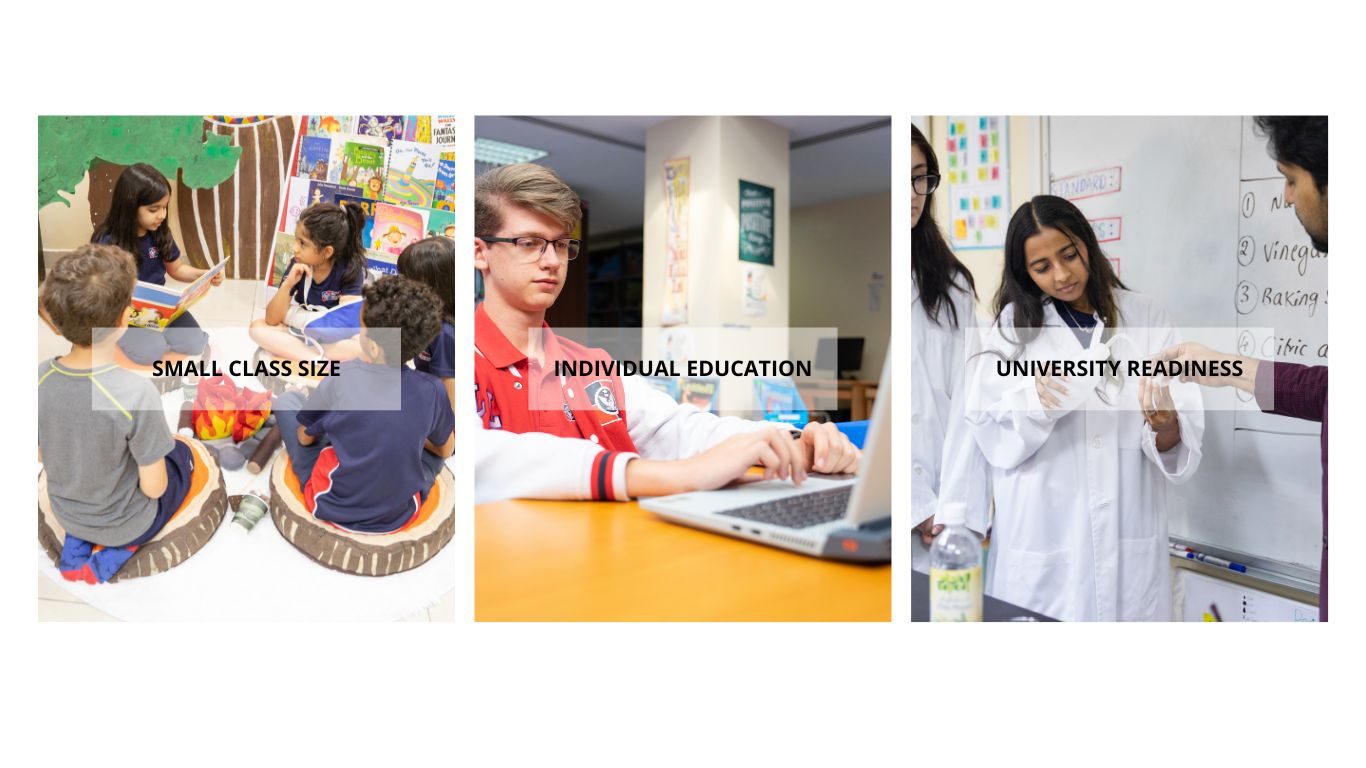
A short list of direct questions will usually tell you more than a school's own marketing materials. Ask about current class sizes for your child's specific year group rather than a school-wide average. Ask how the school supports children joining mid-year or without prior experience of its curriculum, since many families arrive outside the usual admissions window. Ask about staff turnover, particularly among senior leadership, as a reasonable indicator of stability. And ask directly for the school's current, full fee schedule and any additional compulsory costs, since headline tuition figures rarely capture the whole picture — our guide to school fees in Saudi Arabia goes into this in more depth.
Finally, always confirm a school's current licensing, accreditation and any inspection or quality-assurance status directly with the school or the relevant Saudi authority rather than relying solely on the school's own description of itself, since regulatory arrangements and school status can change.
Weighing reputation against fit for your own child
It is tempting to rely heavily on a school's general reputation, whether from other expatriate families, online forums or its own marketing, but reputation is a blunt instrument for judging fit. A school widely regarded as excellent for academically strong secondary students may be a less comfortable environment for a younger child who needs more pastoral attention, and vice versa. Wherever possible, judge a school against your own child's specific needs, learning style and personality rather than a generic ranking.
Asking a shortlisted school how it supports children who are not immediately thriving, whether academically, socially or in adjusting to a new curriculum, often reveals more about day-to-day reality than asking only about its strongest students or headline results.
Special educational needs and additional learning support
Provision for children with additional learning needs, or for those needing English language support before they can fully access the curriculum, varies considerably across international schools in Riyadh and Jeddah. Some schools maintain a dedicated learning support department with specialist staff and a structured process for identifying and supporting need, while others offer a more limited level of in-class differentiation and may not be resourced for more significant or complex needs. Neither approach is universal across any particular curriculum or city, so this is a question to raise directly and specifically with every school on your shortlist rather than something to infer from a school's general reputation or size.
If your child has an existing diagnosis, an individual education plan, or has previously received learning support, it is generally best to share this information with a prospective school early in the admissions conversation, ideally before any entrance assessment, so the school can give you an honest and specific answer about what it can and cannot offer. Some schools will want to see recent professional reports before confirming a place, while others assess more informally; either way, raising the topic proactively tends to produce a more useful and realistic answer than waiting to see what happens after enrolment.
It is also worth asking how any additional support is funded and staffed in practice: whether it is included within standard tuition, charged as a separate ongoing fee, or capped at a certain number of hours per week, since this can affect both your budget and your child's actual day-to-day experience at school. Families relocating from a school system with strong statutory support structures should be aware that equivalent formal frameworks may not exist in the same form in Saudi Arabia, so a school's own internal capability and willingness to support your child directly matters more than it might elsewhere.
Frequently Asked Questions
Are there enough international school places in Riyadh and Jeddah for new arrivals?
Availability varies significantly by school, curriculum and year group, and popular schools can have waiting lists, particularly for entry years like reception, year 7 or year 10 equivalents. Contact your shortlisted schools directly and as early as possible rather than assuming a place will be available, since capacity genuinely differs from one school to the next.
What curricula are most common in Saudi Arabia's international schools?
British, American, IB, and Indian/CBSE curricula are the most widely available across Riyadh and Jeddah, with a smaller number of French and German curriculum schools also present. The exact mix of curricula, and which are offered at which year groups, varies by school, so confirm directly with each one.
Is it better to choose a school linked to a residential compound?
This depends on your family's housing situation, employer arrangements and preferences, and neither compound-linked nor standalone city schools are inherently better. If compound residency is part of your relocation, ask your employer and the school directly how admission and transport actually work in practice.
How early should we start applying to schools in Riyadh or Jeddah?
Popular schools and entry year groups can build up waiting lists well ahead of the academic year, so starting several months to a year in advance is common practice, though timelines vary considerably by school. Contact your shortlisted schools directly for their current waiting list situation and admissions timeline.
Do international schools in Saudi Arabia follow a similar academic calendar to home?
Most follow an academic year broadly similar in structure to other international markets, though exact dates, term breaks and how the calendar interacts with religious holidays vary by school and change year to year. Always check the current academic calendar directly with each school rather than assuming it matches a school elsewhere.
Can my child switch curricula partway through school?
It is possible in many cases, particularly at younger ages, but becomes progressively more difficult as a child nears or enters an examination cycle such as IGCSEs, the IB Diploma or CBSE board exams. Discuss any planned switch directly and as early as possible with both the current and prospective schools.
Are boarding schools available in Saudi Arabia?
The international school sector in Saudi Arabia is predominantly made up of day schools rather than boarding schools. If boarding is a requirement for your family, confirm directly with individual schools whether any boarding arrangement currently exists, since this is not the norm across the sector.
Will my employer help with school fees or the admissions process?
Some employers offer an education allowance or assistance with school admissions as part of a relocation package, but arrangements vary enormously by employer, role and industry. Confirm exactly what is and is not covered directly with your employer before committing to a specific school, ideally before paying any deposit.
What is the school week like at international schools in Saudi Arabia?
Almost all schools run Sunday to Thursday in line with the national weekend of Friday and Saturday, with school hours sometimes adjusted during Ramadan. Confirm the current academic calendar and daily schedule directly with each school you are considering.
How much does traffic and commuting affect school choice in Riyadh and Jeddah?
It can be a significant practical factor, since both cities can have heavy traffic and some families live a meaningful distance from their chosen school. Ask prospective schools directly about bus routes and typical journey times for your neighbourhood before finalising your decision.
International schools in Riyadh
International schools in Jeddah
- British International School Jeddah
- American International School of Jeddah
- Indian International School Jeddah
- International School of Jeddah
Get matched with the best school in Saudi Arabia
Tell us what you're looking for and we'll recommend the international schools that genuinely fit your family.
Planning the rest of your move to Saudi Arabia
Related guides
- International School Fees in Saudi Arabia: What to Expect
- How to Apply to an International School in Saudi Arabia
- British Curriculum Schools in Saudi Arabia: A Parent's Guide
- American Curriculum Schools in Saudi Arabia: A Parent's Guide
- IB Schools in Saudi Arabia: A Parent's Guide
- Indian (CBSE) Schools in Saudi Arabia: A Parent's Guide
- Moving to Saudi Arabia with Kids: A Practical Guide for Parents