Boarding Schools in Chiang Mai
Boarding is one of the few things Chiang Mai offers that Bangkok, for all its scale, largely does not. Two of the city's 13 international schools take residential students — Prem Tinsulanonda International School and American Pacific International School — and between them they serve a catchment far wider than the city itself: northern Thailand, where international provision is otherwise sparse, neighbouring countries with thinner sectors still, Bangkok families seeking an outdoor and rural setting for a particular child, and internationally mobile parents whose own postings do not suit a school-age child. The setting shapes what boarding here feels like. These are campuses with land, mountains on the doorstep and activity programmes built around both, at a total cost well below boarding in Bangkok, Singapore or the UK. This guide covers how the two schools differ, what residential life involves, how boarding is priced, and what to ask before committing.
Quick answer
The two boarding schools in Chiang Mai compared — IB and AP pathways, residential life, boarding fees, weekly options and the questions to ask before you apply.
At a glance
- City: Chiang Mai
- Sections: 5
- Questions answered: 8
- Schools listed: 8
- Read time: 10 min read
The two boarding schools, and how they differ
Comparing the two
- Curriculum route: full IB continuum, or IB alongside American and AP
- Campus scale and how much of the programme uses the outdoors
- Size and nationality mix of the boarding community
- Total cost: tuition plus separately charged boarding
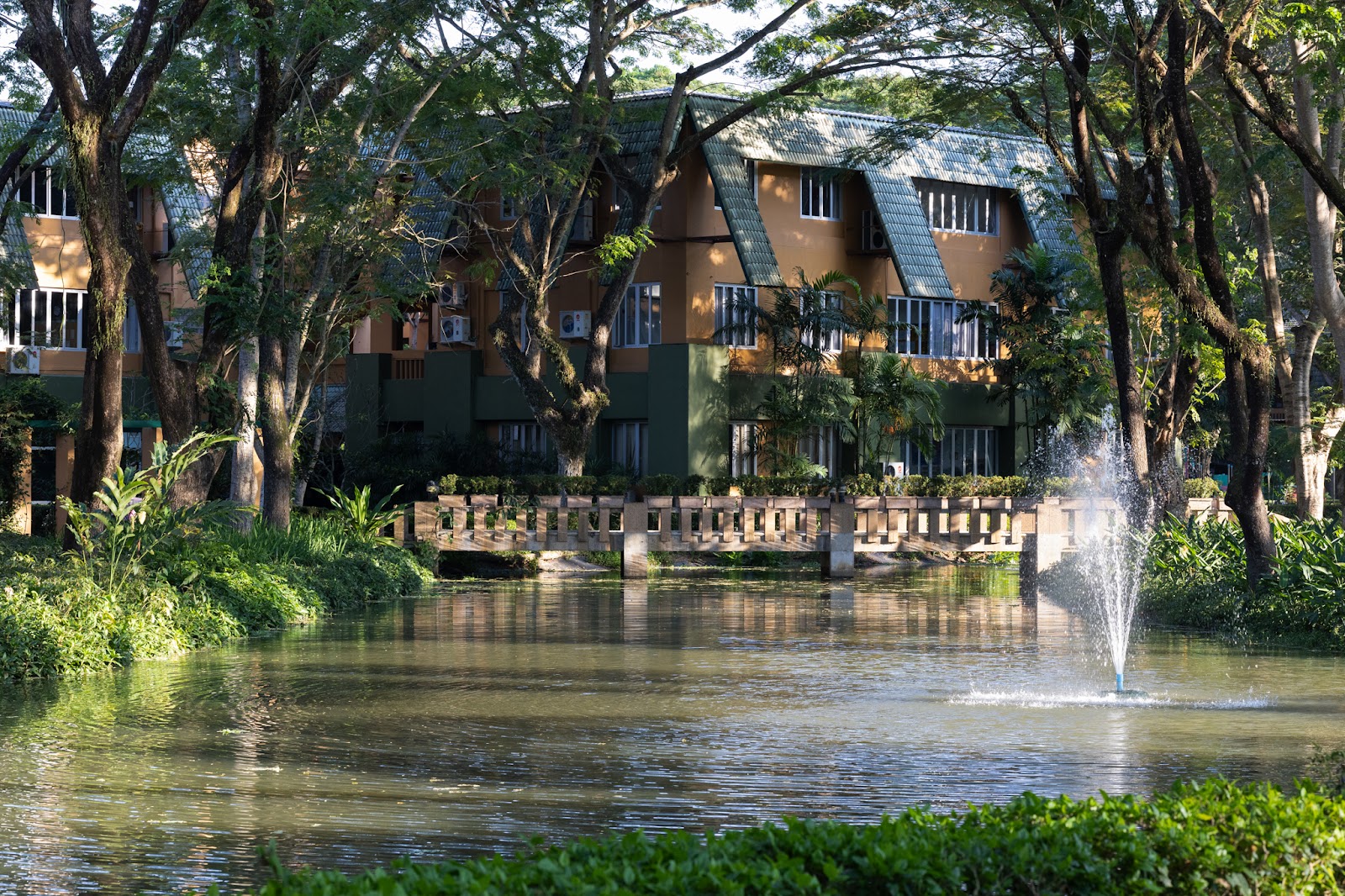
Prem Tinsulanonda International School is the better known of the two and the more substantial boarding operation. It sits on a large campus at Mae Rim, north of the city, with grounds, playing fields and residential accommodation on a scale that no urban Thai school approaches. Academically it runs the full IB continuum, meaning a child can join in the primary years and continue through the Middle Years Programme to the Diploma without changing institution or philosophy. For a regional family looking for continuity in one place, that is the central attraction.
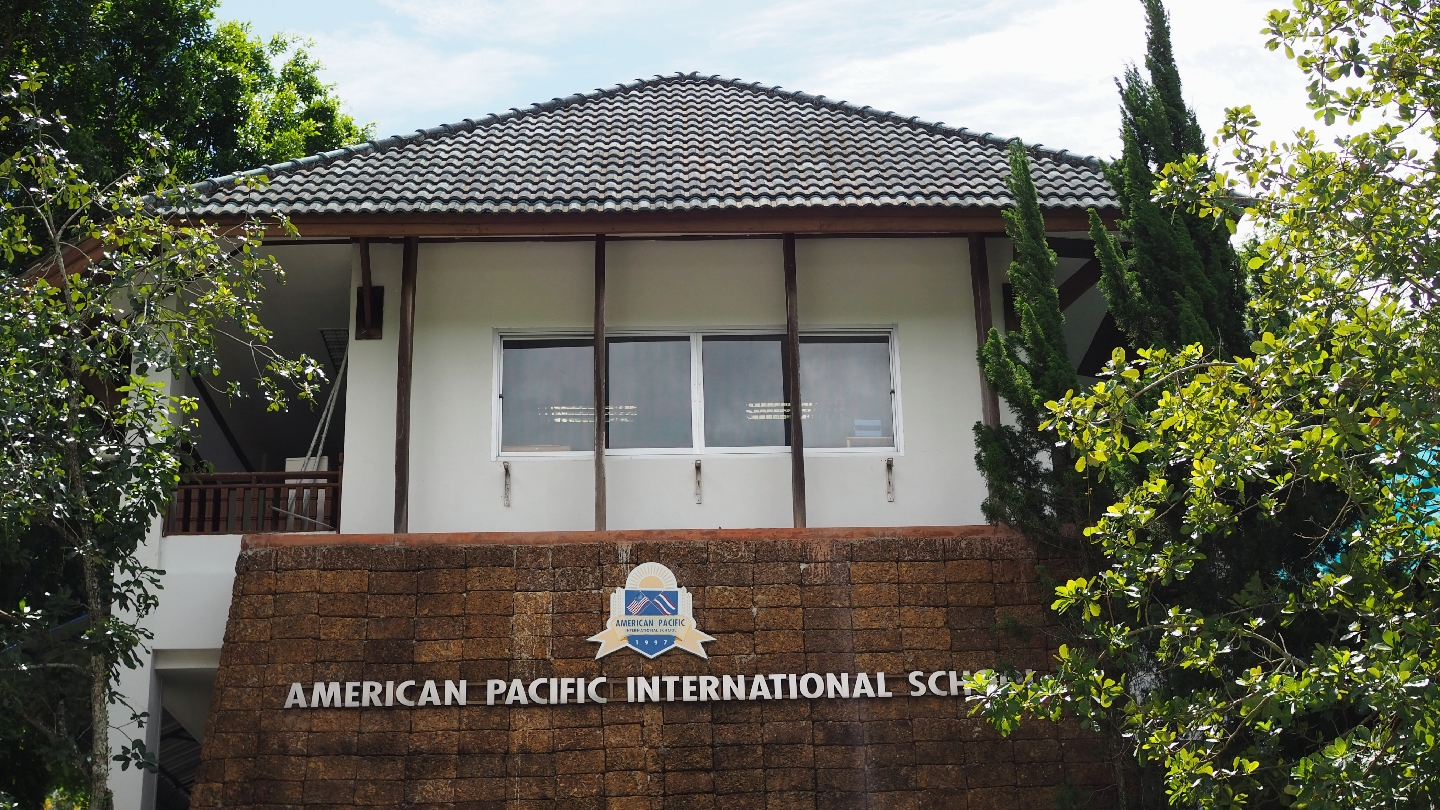
American Pacific International School offers a different combination: the IB alongside American curriculum and Advanced Placement routes, giving families a choice of qualification within one school. Its boarding community is smaller, which some families prefer — a smaller house means a boarder is harder to overlook, though it also means a narrower pool of peers.
The honest way to choose between them is not by reputation but by fit. Ask which curriculum route your child will actually take and whether the school runs it strongly at senior level; ask how large the boarding community is and what its nationality mix looks like; and ask what a boarder's week contains beyond lessons. Both schools publish fees, so the financial comparison can be completed before you visit — and with only two options, visiting both in one trip is entirely realistic.
What residential life looks like here
Boarding in Chiang Mai is not a scaled-down version of an urban boarding school; it is a genuinely different proposition, and that difference is mostly about the land.
With substantial grounds and mountains, rivers and countryside within easy reach, outdoor education is part of the ordinary programme rather than an annual highlight. Expeditions, sport, environmental fieldwork and adventure activities are more accessible than they would be from a city campus, and boarders benefit most because they are on site when those opportunities arise.
The weekday rhythm will be familiar to anyone who has boarded: lessons, activities, supervised prep, house time, lights out. What varies between schools, and what you should ask about specifically, is the quality of academic support in the evening — whether prep is genuinely supervised by teaching staff who know the curriculum, or simply a quiet room.
Weekends are where boarding schools differ most. Ask what is actually organised, how often boarders leave campus, whether trips into Chiang Mai are supervised or independent by age, and — importantly — how many students remain at the weekend. A house that largely empties on Friday afternoon offers a very different experience to a full-time boarder from overseas than the brochure implies.
Also ask how the school handles homesickness in the first term, who a child talks to at two in the morning, and how quickly parents overseas are contacted when something goes wrong.
Costs, and how they compare regionally
At both schools, boarding is billed separately from tuition, so your total is the sum of two figures rather than one headline number. Ask for a schedule that breaks out tuition, the residential fee, meals, laundry, weekend activities and any expedition or trip charges, because the composition varies and a low residential fee with everything charged on top is not the bargain it appears.
Against the alternatives, Chiang Mai is inexpensive. Boarding in the UK, Australia or Singapore costs a multiple of the Chiang Mai total, and even Bangkok's limited residential provision sits higher. For a family in Myanmar, Laos, southern China or provincial Thailand weighing an international education against sending a child much further afield, that arithmetic is often decisive — and the flight home is short and cheap, which matters more than families expect when a child is fourteen.
Budget beyond the invoice as well. Flights at each holiday, pocket money, a guardian arrangement if the school requires one for students whose parents live abroad, medical insurance, and the cost of your own visits. Ask each school whether guardianship is mandatory, what it involves and whether the school maintains a list of approved guardians, since arranging it late is a common source of stress.
Finally, ask about the withdrawal terms for a boarding place specifically. They are frequently stricter than for a day place, because the school has committed a bed for the year.
Not sure which schools fit your family?
Choosing an international school depends on your child's age, curriculum preference, location and budget. Tell us what you're looking for and we'll help you identify schools worth considering.
Admissions, guardianship and visas for a boarder
The administrative path into a Chiang Mai boarding place is more involved than for a day place, and starting it late is the commonest avoidable difficulty.
Admission typically requires recent academic transcripts, an English-language assessment where the applicant's previous instruction was in another language, references from the current school, and an interview conducted online for overseas applicants. Both schools will also want to gauge residential readiness — whether a twelve-year-old is prepared to live away from home is a separate judgement from whether they can handle the curriculum, and admissions teams treat it as such. Expect questions about your child's independence, sleep, eating and previous experience of being away.
Visas matter more here than for a day student whose parents already hold Thai residency. A student arriving alone from abroad needs the correct education visa, sponsored by the school, and the paperwork chain runs from an offer letter through to an embassy appointment in the home country. Ask the admissions office who handles this, what their typical lead time is, and what happens at each annual renewal. Schools experienced with regional boarders manage this routinely; ask anyway, and get the timeline in writing.
Guardianship is the third element. Thai schools generally require a designated local guardian for a minor whose parents reside outside the country — someone reachable in an emergency and able to act on the family's behalf. Confirm whether the school itself can fulfil that role, whether it recommends an agency, and what the arrangement costs annually.
Finally, ask when applications for the following academic year open. With only two boarding schools serving a broad region, the useful places go early.
Air quality, health and pastoral care in the northern setting
Two practical northern-Thailand realities deserve direct questions, and boarding families should press harder on both than day families do.
The first is the burning season. From roughly late February to April, agricultural smoke affects air quality across the north. A day student goes home to a filtered house; a boarder lives on campus throughout. Ask specifically what residential provision looks like during those weeks — filtration in dormitories and communal spaces, how the outdoor activity programme is adapted, whether indoor alternatives are genuinely available rather than nominal, and how the school communicates daily readings to parents abroad. Ask too whether the academic calendar takes the season into account.
The second is medical care. Chiang Mai has good private hospitals, and both schools will have established arrangements, but you should know the detail: who is the school's medical point of contact, is there a nurse on site and during what hours, which hospital is used, how is consent handled when parents are in another country and time zone, and how are prescription medications managed in the house.
Pastoral care underpins both. In a small boarding community the individual house staff matter more than any policy document, so meet them if you possibly can. Ask how long they have been in post and how long the school's boarding staff typically stay — continuity in that role is one of the strongest indicators of a well-run house, and it is a question schools answer honestly when asked plainly.
Frequently Asked Questions
Which schools in Chiang Mai offer boarding?
Two: Prem Tinsulanonda International School, which runs the full IB continuum on a large campus at Mae Rim, and American Pacific International School, which offers IB alongside American and Advanced Placement pathways. Both are genuine residential schools rather than day schools with a hostel attached, and both draw students from beyond the city.
Why does a city the size of Chiang Mai have boarding at all?
Because it serves a region, not just a city. Northern Thailand has few international schools outside Chiang Mai, and neighbouring countries have thinner provision still. Boarding here also attracts Bangkok families wanting a rural, outdoor environment for a particular child, and families whose work involves frequent travel or postings in places without suitable schooling.
How much does boarding in Chiang Mai cost?
Boarding is charged separately from tuition at both schools, so the total is tuition plus a residential fee. Both schools publish their schedules. Compared with boarding in Bangkok, the UK or Australia, the Chiang Mai total is markedly lower, which is a significant part of the draw for regional families.
What ages can board in Chiang Mai?
Both schools generally take boarders from the middle school years upward rather than at primary age, with the majority of residential students in the senior years. Exact minimum ages differ, and each school assesses readiness individually, so ask directly about your child's year group rather than assuming.
Is weekly boarding available, or is it full-time only?
Arrangements vary between the two schools and sometimes by year group. Weekly or flexi options suit families living within driving distance of Chiang Mai, while students from other countries board full-time. Ask what proportion of the house stays at weekends — a house that empties on Friday feels very different for a full-time boarder.
What is boarding life actually like in Chiang Mai?
Considerably more outdoor and activity-driven than an urban boarding school. Prem's Mae Rim campus in particular has grounds and facilities that allow sport, outdoor education and expeditions on a scale no Bangkok school can match, and the surrounding mountains and countryside are used in the programme rather than just admired from a distance.
How does the burning season affect boarders?
It affects boarders more than day students, because they are on campus continuously through the late-February to April period. Ask both schools specifically about residential provision during those weeks: filtration in dormitories and communal areas, how the activity programme adapts, and whether the calendar is arranged with the season in mind.
What should we ask on a boarding visit?
The staff-to-boarder ratio and whether house staff live on site; what a typical weekday evening and a typical weekend look like; how prep and academic support are structured; the arrangements when a child is unwell; how contact with parents overseas is managed; how new boarders are inducted mid-year; and the nationality mix of the house. Ask to speak with a current boarding parent in your own time zone.
International schools in Boarding provision
International schools in Day alternatives worth comparing
- Chiang Mai International School
- Lanna International School
- Grace International School
- British Concordance International School
- Nakornpayap International School
- Unity Concord International School
Considering boarding in Chiang Mai?
Tell us your child's age, year group and start date — we'll tell you what residential places look like at Chiang Mai's boarding schools and connect you with admissions.