Affordable International Schools in Singapore
Singapore is the most expensive international schooling market in Asia, and the question parents actually type into Google is not "which school is best" but "can we afford this at all". The honest answer is that there is a real lower band here — schools publishing tuition from around US$10,000 a year — and it is roughly a third of the cost of the household names. What there is not is a cheap tier. Singapore has no equivalent of the US$6,000 Bangkok campus, because commercial rent and teacher salaries set a hard floor under every fee schedule on the island. This guide sets out where that floor sits, which schools sit on it, what you give up at that level and what you keep.
Quick answer
Which Singapore international schools publish the lowest tuition, what the lower fee band actually buys, and how to budget for the years ahead — using real ESG school data.
At a glance
- City: Singapore
- Sections: 8
- Questions answered: 9
- Schools listed: 15
- Read time: 12 min read
Where the affordable band in Singapore actually starts
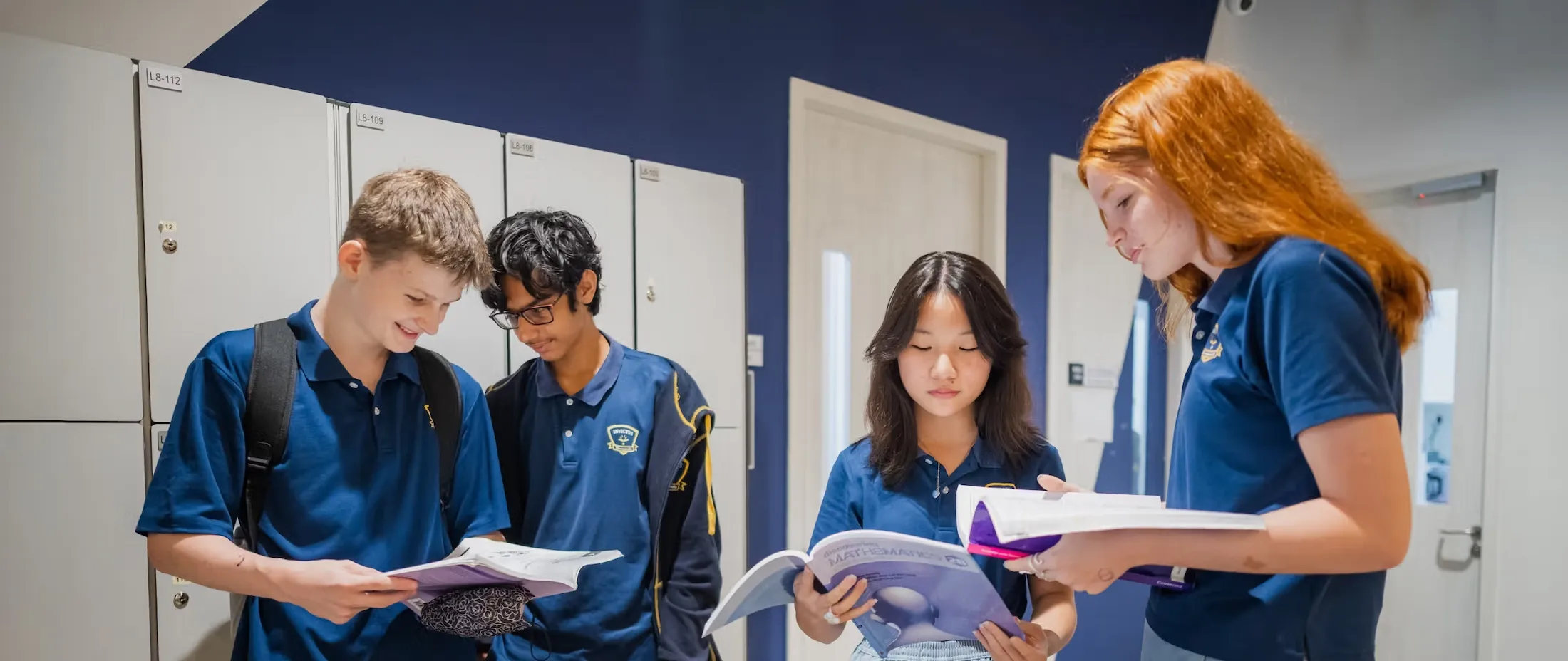
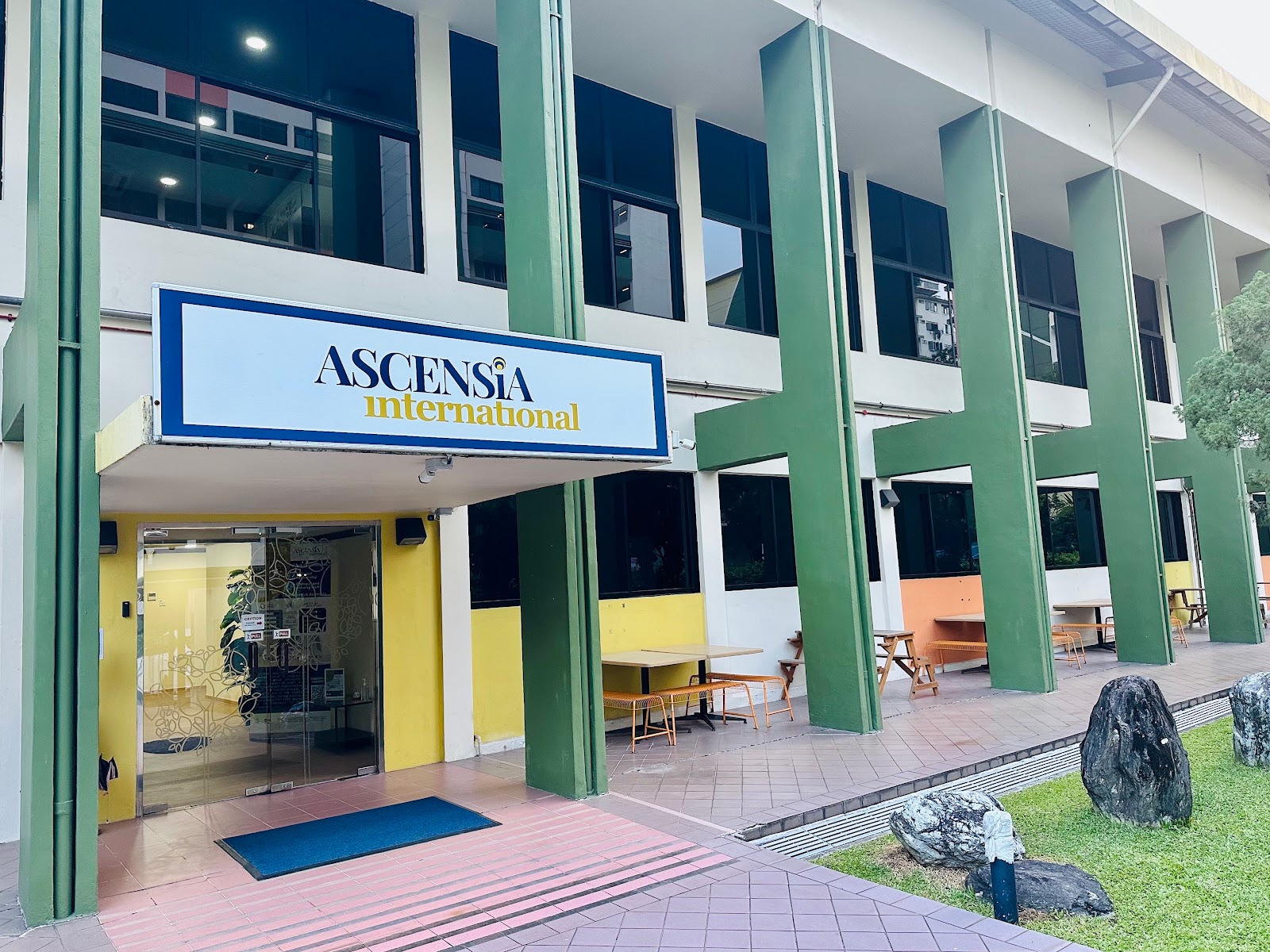
Two schools anchor the bottom of the market: Invictus International School, which follows the British curriculum from ages 3 to 18 with listed tuition from about US$10,000, and Ascensia International School, from about US$10,000 for ages 7 to 18. Immediately above them sit Middleton International School and Stellar World School, both IB primary schools listing from roughly US$12,000, Holland International School, which runs an International Primary Curriculum with a bilingual Dutch and English stream from around US$12,000, and Global Indian International School, from SGD 12,000 with an IB PYP and Cambridge pathway that continues to age 18.
That is the genuine floor. Below US$10,000 there is nothing on the island that a relocating family would recognise as an international school, and quotes circulating online at US$6,000–8,000 almost always turn out to be a single term, a nursery half-day rate, or a school outside Singapore altogether. Setting your expectations at US$10,000–20,000 for the affordable band is the single most useful budgeting adjustment most families make.
What the lower fee band in Singapore actually buys
The saving in Singapore is paid for almost entirely in land. Lower-band schools occupy compact, frequently multi-storey sites in districts such as Bukit Timah, Jurong, Novena and the East Coast, and they lease space rather than owning sprawling purpose-built campuses. You will generally not find a 25-metre competition pool, a 400-seat theatre, a full-size floodlit pitch or a dedicated design-technology wing. Swimming and team sport often happen at public or rented facilities.
What you usually do keep is the academic core: qualified subject teachers, an internationally recognised curriculum, English-medium instruction, small-to-moderate class sizes and — at several schools in this band — a genuine IB or Cambridge pathway. For a seven-year-old, the difference between a leased city campus and a 10-hectare site is far smaller than the fee gap suggests. For a fifteen-year-old who wants competitive rugby, a full orchestra and fourteen IBDP subject choices, it is substantial. The decision is age-dependent, not simply financial.
The mid band, and why most Singapore families end up there
Between roughly US$14,000 and US$18,000 of entry pricing sits the band where a large share of self-funding expat families in Singapore actually land: HWA International School with a full IB continuum to age 19, EtonHouse Orchard combining the IB PYP with Cambridge Primary, IGCSE and International A-Levels, GESS German European School with its parallel German and IB sections, One World International School and Nexus International School.
These schools typically offer more of the things a lower-band campus rents rather than owns, and they carry the programmes through to 18, which matters if you expect to stay. The step from US$12,000 to US$16,000 usually buys continuity — the ability to keep a child in one school from nursery to sixth form without a forced move. The step from US$16,000 to US$25,000 more often buys facilities and breadth. Knowing which of those two things your family actually needs is what makes a Singapore budget hold.
The escalation trap: pricing the year you leave, not the year you arrive
Almost every Singapore school publishes fees by year group, and the internal spread is severe. A school advertised as US$12,000–20,000 charges the lower figure for early primary and the higher figure for the upper secondary years, and a family that budgeted on the quote for a six-year-old can be facing 60–100% more by the time that child sits IGCSEs.
The practical method is simple and almost nobody does it: take the published schedule, find the year group each child will be in during the final year of your expected posting, add an allowance for annual increases, and use that number as your affordability test. If the school passes on the last year rather than the first, it is genuinely affordable. If it only passes on the first, you are budgeting for a mid-course school change you have not planned for — the most expensive and most disruptive outcome available.
Not sure which schools fit your family?
Choosing an international school depends on your child's age, curriculum preference, location and budget. Tell us what you're looking for and we'll help you identify schools worth considering.
Extras, deposits and the Singapore-specific line items
Ask every Singapore admissions office these before you commit
- What is the full SGD fee schedule by year group for the next two academic years?
- Which one-off fees apply — application, registration, deposit, capital contribution — and which are refundable?
- What has the average annual fee increase been over the last three years?
- Which costs are compulsory and which are genuinely optional?
- Are sibling discounts, scholarships or corporate rates available to us?
- How much written notice is required to withdraw without further liability?
Tuition is not the total anywhere, but the Singapore extras have a particular shape. Expect an application fee, a registration or enrolment fee, and a refundable deposit — commonly held against the final term. Then uniform, lunch, devices, co-curricular activities, trips and external examination entry in IGCSE, IBDP or AP years.
Two Singapore-specific points are worth planning around. First, school bus is a smaller cost here than in Bangkok or Dubai: the island is compact, the MRT is genuinely usable for older children, and many families in the lower band choose their neighbourhood so the commute is walkable or one line. Second, some schools require a non-refundable capital or building contribution and a small number operate debenture-style instruments at the premium end — relevant mainly if a corporate package is involved. If your employer contributes, confirm in writing whether the allowance covers registration and deposits or tuition only, because in Singapore that gap is frequently five figures.
Rent and fees are one budget in Singapore
Singapore rewards treating housing and schooling as a single number. Because distances are short and the MRT is dense, you have more freedom here than in most expat cities to live away from your school and still have a manageable commute — which means the cheapest total outcome is often a lower-band school plus a suburban condominium in the north or east, rather than a premium school plus a central lease near Orchard or Tanjong Pagar.
Run the arithmetic before you sign either contract. A family paying central rent to be five minutes from a US$35,000 campus is usually spending far more overall than a family in Serangoon or Pasir Ris attending a US$15,000 school with a fifteen-minute MRT ride. In a city where both lines are large, the combined figure — not the fee schedule alone — decides whether the posting is financially comfortable.
What we cannot tell you from published data
Two things are genuinely unavailable and we will not invent them. First, means-tested financial support: very few Singapore international schools publish criteria, award sizes or application windows, so anything we said about your odds would be fabrication. Ask admissions directly and ask early, because where support exists it is usually allocated before the academic year is confirmed. Second, per-year-group figures: our profiles carry indicative ranges, not full schedules, and only the school can give you the exact number for your child's year.
One school in Singapore, North London Collegiate School Singapore, publishes no public range at all. Rather than estimate it into a band, we have left it out of the tables on this page. If it interests you, its ESG profile and admissions office are the only reliable source of a figure.
A workable way to shortlist on a Singapore budget
Start with the total you can sustain in the final year of your posting, per child, including extras — not the number you can manage next September. Then pick two schools from the lower band and two from the mid band, ideally with different curricula so you are also testing the pathway rather than just the price. Visit all four in the same fortnight; the comparison only works when it is fresh.
Ask each of them the same five questions about escalation, extras, class size, upper-year subject choice and commute. By the fourth visit you will know whether the extra US$4,000–6,000 a year buys something your child will use, or whether it buys a pool they will swim in twice a term. That is the only version of this decision that holds up over a five-year stay, and it is why an honest fee band is more useful to a relocating parent than a ranked list of the most expensive schools on the island.
Frequently Asked Questions
What is the cheapest international school in Singapore?
Of the Singapore schools ESG profiles, the lowest published tuition ranges start around US$10,000 a year at Invictus International School and Ascensia International School. Several others — Middleton International School, Stellar World School, Holland International School and Global Indian International School — start in the US$12,000 range. These are entry-year figures: the same schools cost materially more in the upper years.
Is there such a thing as a genuinely affordable international school in Singapore?
Yes, but "affordable" in Singapore means roughly US$10,000–20,000 a year rather than the US$5,000–8,000 possible in Bangkok or Kuala Lumpur. Singapore has no low-cost international tier, because campus rent and teacher salaries set a floor under fees. The realistic saving is between the lower band and the US$25,000–45,000 band, not against a budget option that does not exist.
Why can't my child attend a Singapore government school instead?
Foreign children can apply to national schools, but places are allocated after Singapore Citizens and Permanent Residents, entry is normally via the Admissions Exercise for International Students, and instruction includes a compulsory Mother Tongue language. For a family arriving mid-posting with no Mandarin, Malay or Tamil, that route is often impractical, which is why the affordable international band matters so much here.
Do the lower-fee Singapore schools still offer the IB or IGCSEs?
Many do. Middleton International School and Stellar World School run IB programmes in the primary years, Global Indian International School offers the IB PYP alongside Cambridge Lower Secondary, and EtonHouse Orchard combines the IB PYP with Cambridge Primary, IGCSE and International A-Levels. Invictus and Ascensia follow the British curriculum through to the upper years. A lower fee does not automatically mean a less recognised qualification.
Are the cheaper schools smaller?
Usually, yes — and that is precisely where the saving comes from. The lower band tends to occupy compact, often multi-storey city sites without the 25-metre pools, theatres and full-size fields found at Tanglin Trust School, UWC South East Asia or Dulwich College Singapore. Class sizes are frequently smaller too. Whether that is a compromise or an advantage depends entirely on your child.
Do fees rise sharply as my child gets older in Singapore?
Sharply enough to change your plans. Almost every Singapore school prices by year group and the top of the published range is typically 60–100% above the bottom. A school listed at US$12,000–20,000 is a US$12,000 school for a five-year-old and a US$20,000 school for a Year 11 student. If you are staying several years, budget the year your child will be in when you leave.
What extra costs should I add to a Singapore fee quote?
Application and registration fees, a refundable deposit, uniform, lunch, devices, co-curricular activities, trips and external examination entry in IGCSE, IBDP or AP years. School bus matters less in Singapore than in Bangkok or Dubai because the MRT network and short distances make many commutes manageable — but if you take the bus, it is charged separately by zone.
Do Singapore international schools offer scholarships or discounts?
Provision is thin and inconsistent. Sibling discounts are more common than academic scholarships, and where scholarships exist they usually attach to specific entry points such as Year 7 or Year 12. Corporate rates negotiated by large employers are a bigger factor in Singapore than means-tested support. Ask admissions directly rather than assuming a published scheme exists.
Which Singapore school gives the best value overall?
There is no single answer, and any page claiming one is guessing. Value in Singapore depends on your child's age, the qualification you need at 18, how long you are staying and where you live. The pragmatic approach is to shortlist two schools in the US$10,000–16,000 band and two in the US$16,000–22,000 band, visit all four, and see whether the extra spend buys something your child will actually use.
International schools in Lower fee band — published tuition from around US$10,000
- Invictus International School
- Ascensia International School
- Middleton International School
- Stellar World School
- Holland International School
- Global Indian International School
International schools in Mid band — from around US$14,000–16,000
- HWA International School
- EtonHouse Orchard
- GESS German European School
- One World International School
- Nexus International School
International schools in For comparison — the upper band you are budgeting against
- Tanglin Trust School
- United World College of South East Asia
- Dulwich College Singapore
- Stamford American International School
Want a Singapore shortlist that fits your actual budget?
Tell us your budget, your children's ages and the part of Singapore you expect to live in, and we'll show you which schools are genuinely in range.