Indian (CBSE) Schools in Qatar: A Practical Guide
Qatar has a well-established network of Indian curriculum schools serving one of Doha's largest expatriate communities. Here's how CBSE schooling generally works locally and what to check before enrolling.

Quick answer
How Indian (CBSE) curriculum schools in Qatar work: admissions, fees, transfer between boards, and what to verify before choosing one in Doha.
At a glance
- Country: Qatar
- Sections: 16
- Questions answered: 9
- Schools listed: 4
- Read time: 13 min read
Indian curriculum schooling in Qatar
Qatar is home to a number of Indian curriculum schools, most commonly following the Central Board of Secondary Education (CBSE) syllabus, and largely serving Doha's substantial Indian expatriate community, though many are open to other nationalities too. These schools typically offer a more affordable alternative to British, American or IB schools while still leading to a nationally and internationally recognised qualification via CBSE board examinations.
Some schools in this category also blend local elements with an international outlook, so it's worth checking exactly which board and syllabus a specific school follows rather than assuming all Indian curriculum schools in Doha are identical.
Because the Indian expatriate community in Qatar is one of the largest nationality groups in the country, several of these schools are large, long-established institutions with many hundreds or thousands of students across multiple year groups, which can mean a more extensive extracurricular and academic offering than the school size alone might suggest, but can also mean larger class sizes at some campuses. Asking directly about typical class size for the relevant year group is worth doing regardless of which specific school you're considering.
How the CBSE structure generally works
CBSE schools typically follow a structure through primary and secondary stages, with students sitting board examinations at the end of Class 10 and again at the end of Class 12, the results of which are used for progression and, at Class 12, university admission. The curriculum places a strong emphasis on core academic subjects including mathematics and science, alongside language and social studies requirements.
Schools following CBSE in Qatar are generally affiliated with the board in India, and the specific affiliation and any recent renewal status is worth confirming directly with a school if it matters to your planning, since affiliation details can change.
At Class 11 and 12, students typically choose a stream, commonly science, commerce or humanities, which shapes their subject combination for the remainder of secondary school and often reflects their intended university direction. Ask a school directly which streams it offers and whether there are any prerequisites, such as minimum Class 10 grades in particular subjects, before a student can enter a specific stream.
Admissions process and what to expect
Questions to ask when applying
- Which board the school is affiliated with, and current affiliation status
- Whether a transfer certificate or previous mark sheet is required, and in what format
- What assessment, if any, is required for the child's age group
- Whether mid-year entry is realistic for the grade level you need
- What streams are available at Class 11 and 12, and any entry requirements for each
Admissions to Indian curriculum schools in Qatar generally involve a completed application form, the child's previous school records or transfer certificate, and for many schools, a basic assessment in subjects such as English and mathematics appropriate to the child's age, occasionally alongside a brief interview.
Demand for places, particularly in popular schools and popular grade levels, can be high given the size of the local Indian expatriate community, so it's worth applying as early as possible and confirming current availability directly with schools rather than assuming a place will be readily available close to the start of term.
Fees at Indian curriculum schools
Fees at Indian curriculum schools in Qatar generally sit at a lower range compared with British, American or IB schools in Doha, though this varies by individual school and there is no single typical figure. Beyond tuition, expect registration fees, a deposit at the point of offer, and separate charges for transport, uniform and books at many schools. Ask a school directly for its complete current fee schedule rather than relying on figures you may see elsewhere.
Transfer certificates and moving between boards
If your child is transferring from a school in India or another country, most schools will ask for an original transfer certificate, and depending on the previous school and board, this may need to be attested or verified through relevant education authorities. If you are instead considering moving your child from a CBSE school in Qatar to a British, American or IB school later, ask the receiving school directly how it evaluates a CBSE transcript, since equivalence assessments vary between schools.
Families who anticipate returning to India at some point during a child's schooling should also ask a Qatar-based CBSE school directly how it handles the paperwork for that transition, including how quickly a transfer certificate and academic records can be issued, since Indian schools generally expect these documents as part of their own admissions process.
Language, culture and community considerations
Indian curriculum schools in Doha typically teach primarily in English, with Hindi commonly offered as an additional language alongside options such as Arabic, reflecting both the CBSE syllabus requirements and Qatar's national education framework for Arabic and Islamic studies. Many families also value the strong sense of community and shared cultural context these schools can offer, though this varies school to school and is worth experiencing directly through a visit.
Some schools also offer additional Indian regional languages as options, reflecting the diversity of India's own linguistic landscape, though availability varies considerably by school. If a specific regional language matters to your family, ask directly whether it is offered and at which grade levels.
Comparing Indian curriculum schools with other options
Families sometimes default to an Indian curriculum school based on community and cost considerations without comparing it against British, American or IB alternatives in Doha. If university destination flexibility or a particular teaching style matters to your family, it is worth weighing the CBSE pathway against other curricula available locally, particularly if your family's long-term plans beyond Qatar are still open.
Not sure which schools fit your family?
Choosing an international school depends on your child's age, curriculum preference, location and budget. Tell us what you're looking for and we'll help you identify schools worth considering.
Facilities, extracurricular activities and school size
Given the scale of some Indian curriculum schools in Doha, facilities and extracurricular offerings can be extensive, including sports, cultural events, academic competitions and celebrations of Indian festivals that give children a strong connection to their cultural background while living abroad. The specific facilities and activity range still vary by individual school, so it's worth asking directly what is on offer for your child's age group, and whether any additional charges apply for clubs, competitions or trips.
Coaching culture, competitive exams and academic pace
A distinct feature of many Indian curriculum schools in Qatar, reflecting broader trends within the Indian education community globally, is a strong emphasis on academic competitiveness, including participation in Olympiads, inter-school competitions and, for older students, awareness of competitive entrance examinations for universities and professional courses in India. Some families supplement school with private tuition or coaching, particularly around Class 10 and Class 12 board examinations, though the extent of this varies considerably by family and is not something schools themselves require.
If your family is weighing how academically intensive an environment you want for your child, it's worth asking a specific school directly about its typical homework load, how it prepares students for board examinations, and whether it actively encourages participation in Olympiads or other competitive academic events, since the answer can differ meaningfully even between schools that look similar on paper.
Other Indian boards and how CBSE compares locally
While CBSE is the most common Indian board represented among Qatar's Indian curriculum schools, it isn't universally the only one, and some schools may follow other recognised Indian boards or blend elements of more than one system. If you have a preference based on a previous school's board, or based on where your family expects to eventually settle, ask a prospective school directly and specifically which board it is affiliated with rather than assuming CBSE by default, since the label "Indian curriculum school" is sometimes used loosely to describe schools with real differences in board affiliation, assessment style and subject structure.
It's also worth asking how a specific school's board affiliation affects recognition for university admission in India versus internationally, since board recognition and university entry requirements can interact in ways that are easy to overlook until your child is close to finishing secondary school.
Higher education pathways after Class 12
Students completing Class 12 under CBSE in Qatar generally have a range of higher education pathways open to them, including universities in India, universities in Qatar itself, and universities in other countries that recognise CBSE results, sometimes alongside additional entrance tests specific to the destination country or institution. Because pathways and specific entry requirements vary considerably by destination and by course, and can change over time, it's worth asking a school's careers or university guidance staff directly what kind of support it offers for each of the destinations your family might be considering, rather than assuming a school's guidance will automatically cover every direction equally well.
Some schools also have more established or long-standing local reputations for guiding students toward specific study destinations, often reflecting the pattern of where their own alumni have historically gone, which can be a useful, if informal, data point to ask about directly.
What sets individual CBSE schools apart in Doha
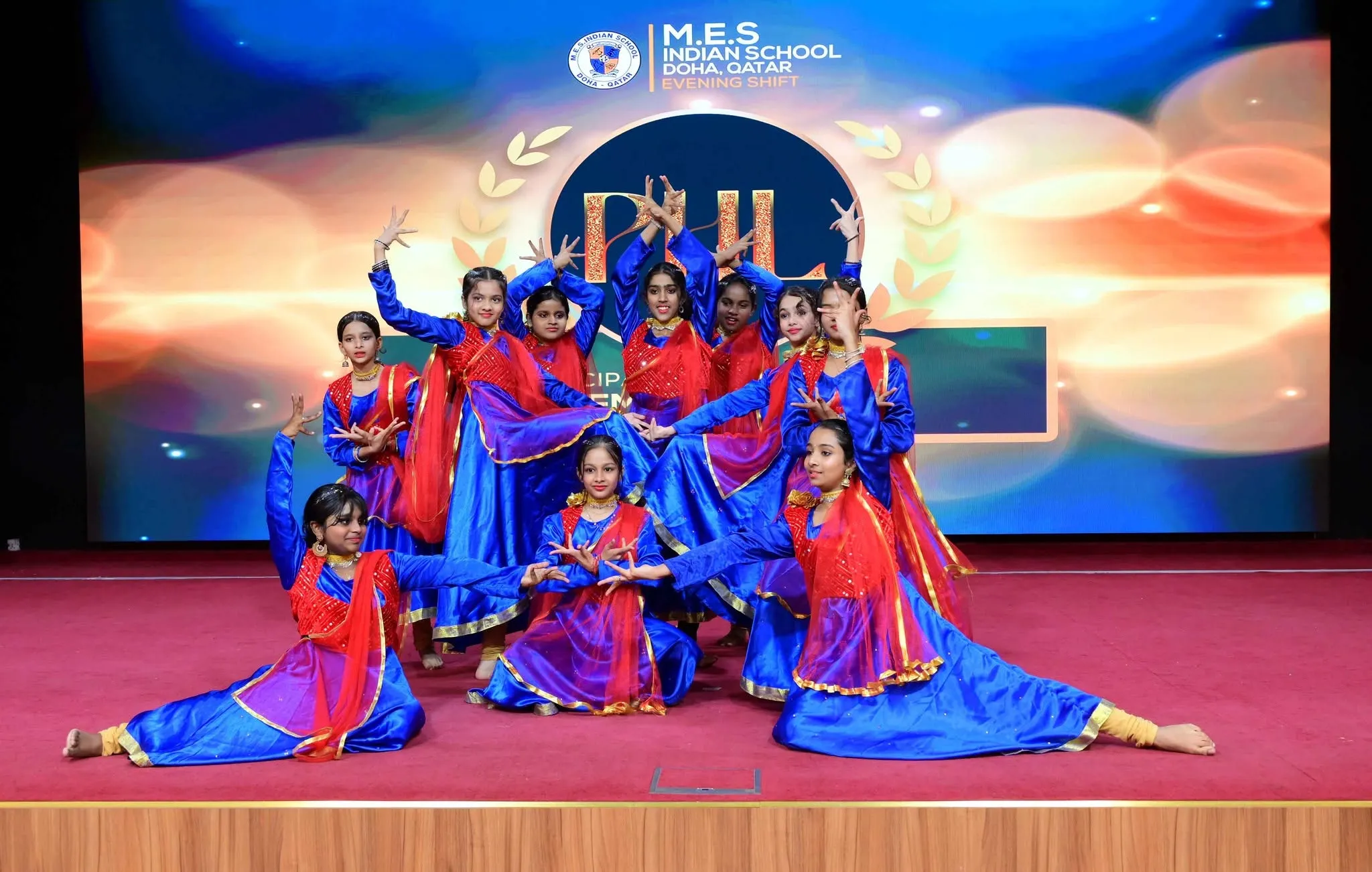
Beyond board affiliation and fee level, Indian curriculum schools in Doha differ in ways that matter day to day: campus size and facilities, the balance between academic rigour and extracurricular breadth, the specific additional languages on offer, and the general ethos a school projects, whether that leans more traditional and exam-focused or more holistic in its stated approach. Because many of these schools are long-established with strong reputations built over decades, word of mouth within the local Indian expatriate community is often a genuinely useful source of insight, alongside a direct visit and conversation with current parents, when narrowing down a shortlist.
Getting a realistic view before enrolling
As with any school choice, visiting the campus, speaking with current parents, and asking direct questions about class sizes, facilities and how the school supports a child joining mid-year all give a clearer picture than a prospectus alone. Our guide to how to apply to schools in Qatar covers the general admissions process in more detail.
Balancing academics with wellbeing during the school transition
Because some Indian curriculum schools in Qatar are known for a strong academic focus, it's worth thinking specifically about how a new arrival will manage the combination of settling into a new country and keeping pace with an established curriculum, particularly if joining partway through a school year or ahead of a board examination year. Ask a school directly how it supports newly arrived students academically in the first term, whether informal catch-up sessions or extra support are offered, and how it communicates a new student's progress to parents during that settling-in period, since a proactive, well-communicated approach in the first few months can make a considerable difference to how confident a child feels heading into board examination years later on. Parents relocating mid-way through a board examination cycle in particular should ask very specifically how a school plans to bridge any gap in syllabus coverage, since board examinations are high-stakes and leave little room for a child to feel they have missed foundational material.
Relocating from India versus relocating from a third country
Families moving to Doha directly from India sometimes have a smoother initial admissions experience at a CBSE school locally, since transfer certificates, mark sheets and other documentation are already in a familiar format, whereas families relocating from a third country with a child previously in an Indian school abroad, or in a different curriculum altogether, may need additional time to gather and, where required, authenticate documents. Either way, it is worth contacting a shortlisted school as early as possible in your relocation timeline to understand exactly which documents it needs, in what format, and whether any of them require attestation through Indian or Qatari authorities before submission, since document processing can take longer than the school's own admissions decision.
Planning for board examination years around a relocation
Relocating a family to or from Qatar during a child's Class 10 or Class 12 year deserves particularly careful planning, given how high-stakes CBSE board examinations are for university progression. Families in this position should contact both the current and prospective schools directly and as early as possible to understand syllabus alignment, how much of the year's coursework has already been completed, and whether a receiving school in Doha, or a school elsewhere if the move is in the other direction, can realistically bridge any gap before board examinations begin. Because timing around a board examination year is rarely flexible, this is an area where getting clear, direct answers from schools well ahead of a move matters considerably more than for a routine mid-year transfer at another grade level.
Frequently Asked Questions
What board do Indian curriculum schools in Qatar typically follow?
Most commonly the Central Board of Secondary Education (CBSE), though it's worth confirming a specific school's board affiliation and current status directly, since not every Indian curriculum school in Doha follows exactly the same syllabus or board.
Are Indian curriculum schools in Qatar only for Indian nationals?
No, many Indian curriculum schools in Doha welcome children of other nationalities, though they are most commonly chosen by families connected to the local Indian expatriate community for reasons including cost, curriculum familiarity and community.
Are Indian curriculum schools cheaper than British or American schools in Qatar?
Generally, Indian curriculum schools in Doha sit at a lower fee range compared with British, American or IB schools, though fees vary by individual school. Ask for a school's complete current fee schedule to compare directly rather than relying on general assumptions.
What happens at the end of Class 10 and Class 12 under CBSE?
Students sit CBSE board examinations at the end of both Class 10 and Class 12, with Class 12 results used for university admissions. Ask the school directly how it prepares students for these examinations and what support is available.
Can my child transfer from a CBSE school in Qatar to a British or IB school?
This is generally possible, but how a receiving school evaluates a CBSE transcript varies. Ask the receiving school directly how it assesses equivalence and what year group or grade placement your child is likely to be offered.
Do Indian curriculum schools in Qatar teach Arabic?
Most private schools in Qatar, including Indian curriculum schools, include Arabic and Islamic studies for relevant students as part of national education requirements, alongside English and often Hindi. Ask directly about the specific language options at a given school.
Is admission to Indian curriculum schools in Qatar competitive?
Demand can be high at popular schools and grade levels given the size of the local Indian expatriate community, so applying early and confirming current availability directly with schools is worthwhile rather than assuming late applications will succeed.
What documents are needed to transfer from a school in India?
Most schools ask for an original transfer certificate from the previous school, and depending on the case, this may need attestation or verification through relevant education authorities. Ask the school directly for its current requirements before you travel.
What streams can students choose at Class 11 under CBSE?
Commonly science, commerce or humanities, with the choice generally shaping a student's subject combination through to Class 12 and often reflecting their intended university direction. Ask a school directly which streams it offers and whether any Class 10 grade prerequisites apply.
International schools in Doha
- MES Indian School Doha
- Doha Modern Indian School
- DPS Modern Indian School Qatar
- Birla Public School Doha
Get matched with the best school in Qatar
Tell us what you're looking for and we'll recommend the international schools that genuinely fit your family.